Water heater repair in Farmington, NM
Cold showers, a pilot that won't stay lit or water pooling around the tank all need fast attention. We repair gas, propane and electric tank water heaters, and we tell you straight when a tank is past saving.
- Answered 24/7
- Gas, electric and propane
- Farmington and the Four Corners
Water heater calls
- No hot water this morning
- Pilot light keeps going out
- Water pooling under the tank
Quick answer
Gas water heaters around Farmington usually fail at the thermocouple, pilot assembly or gas control valve, while electric tanks lose heating elements and thermostats. Hard water adds sediment that makes tanks rumble and run short. Typical repairs here run about $128-$436. A leaking tank cannot be fixed and needs replacing. Someone picks up around the clock, and an active leak gets a tech out at any hour.
Brands we repair: Whirlpool, GE, Samsung, LG, Maytag, Frigidaire, KitchenAid, Bosch, Kenmore, Electrolux, Amana, Speed Queen, Sub-Zero, Hotpoint
What breaks inside a tank water heater
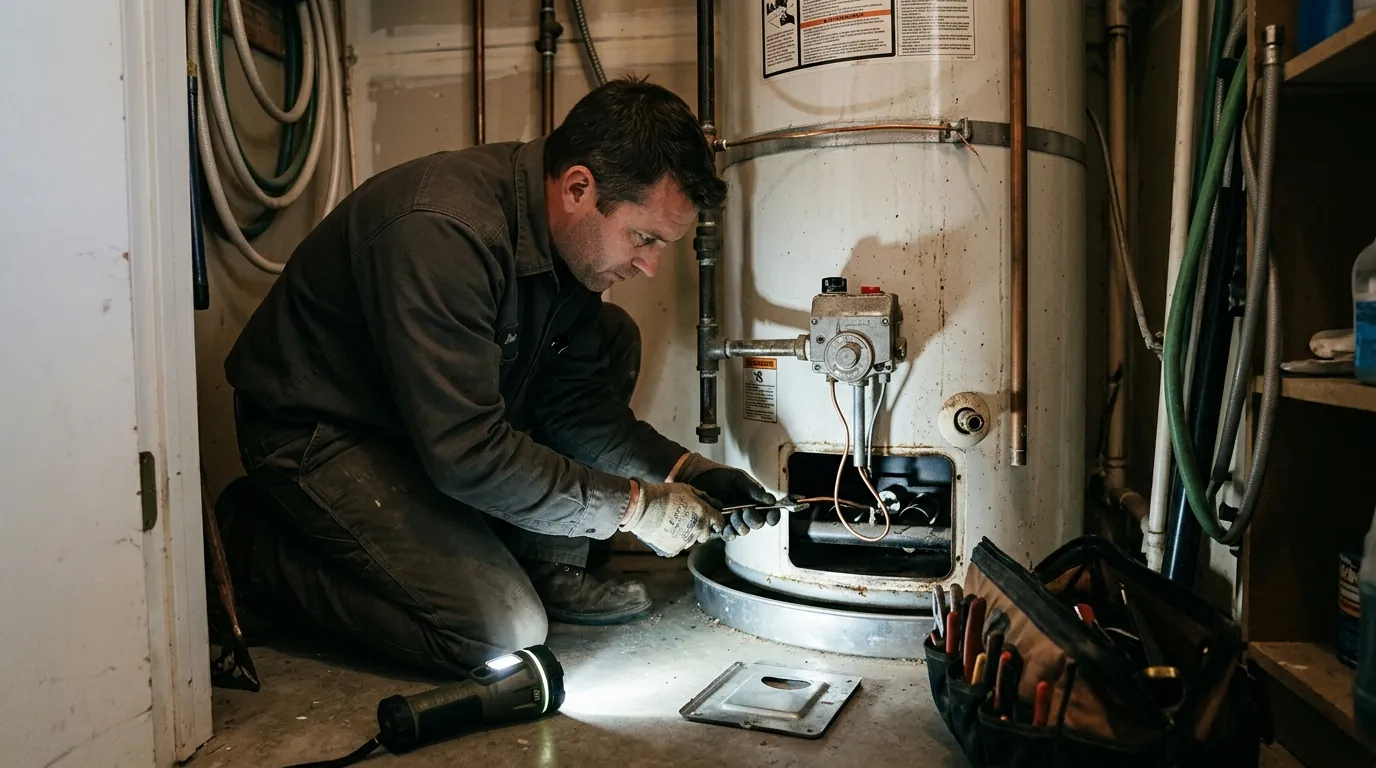
A tank water heater is a steel tank lined with glass, wrapped in insulation, with a heat source at the bottom or inside. Gas and propane models have a burner under the tank, a pilot or electronic igniter, a thermocouple or thermopile, and a gas control valve with a built-in thermostat. Electric models have upper and lower heating elements, each with its own thermostat, and a high-limit reset switch. Both types have a temperature and pressure relief valve, called the T&P valve, a drain valve and a sacrificial anode rod.
Most no-hot-water calls on gas heaters come down to the pilot. A tired thermocouple stops signaling the valve to stay open, a partly plugged pilot jet starves the flame, or a flammable vapor sensor on newer models has tripped and locked the heater out. On electric heaters, a burned-out lower element leaves you with a tepid, short supply of hot water, and a failed upper element or tripped high-limit leaves you with none.
Leaks are a separate story. Water dripping from the T&P discharge pipe, the drain valve or a loose fitting at the top can usually be fixed. Water seeping from the tank itself, from under the jacket or out of the burner area, means the steel has rusted through, and the only answer is a new heater. We check where the water is actually coming from before we tell you which it is.
Water heater warning signs and their usual causes
Most water heaters give fair warning before they quit completely.
No hot water at all
On gas heaters, a pilot that is out, a bad thermocouple or a failed gas valve is the usual cause. On electric heaters, a tripped high-limit or a burned upper element is likely.
Hot water runs out quickly
Heavy sediment from hard water takes up space and insulates the burner, or the lower element on an electric heater has failed. A broken dip tube can also mix cold water in early.
Rumbling or popping sounds
Sediment on the tank bottom traps water that boils into steam bubbles when the burner fires. It wastes fuel, stresses the tank and is very common on hard well water.
Water around the base
Check the T&P discharge pipe, drain valve and top fittings first. If those are dry and water still appears under the heater, the tank itself is probably leaking.
Rusty or smelly hot water
Rust-colored hot water can mean an exhausted anode rod or corroding tank. A rotten egg smell often comes from a reaction between well water and the anode.
Pilot lights, then goes out
The thermocouple isn't making enough voltage to hold the valve open, the pilot flame is weak, or the flammable vapor sensor has tripped on a newer gas model.
Hard water, propane and altitude: what wears local water heaters out
Hard, mineral-heavy water is common across the Farmington area and especially on private wells in places like Kirtland, Flora Vista and the river valleys. When that water heats, calcium and magnesium drop out and settle on the tank bottom or coat electric elements. Gas heaters start to rumble and take longer to recover; electric elements crust over and burn out early. A tank that is never flushed can lose a large share of its usable capacity to sediment within a few years.
Many homes outside city gas service run their water heater on propane, and some have heaters that were installed for natural gas and never set up correctly. A propane heater with the wrong pilot or burner orifice produces a sooty flame and can scorch the burner chamber. For homes near 5,400 feet like Farmington's, or the higher ground around Durango, Cortez and Mancos, manufacturers list high-altitude derating for many gas heaters. We check both the fuel setup and the altitude guidance whenever we work on the burner.
Water heaters sitting in garages and utility closets of older ranch homes and manufactured homes deal with cold January nights in the teens and summer heat. Drafts in an unheated garage can blow out pilots, and exterior-access closets on mobile homes let wind whistle straight across the burner. Monsoon lightning and the power blips that follow can damage the electronic controls on newer gas valves and power-vent blowers.
What to expect when we come out for a water heater
- When you call
Gas, propane or electric
Tell us how the heater is fueled, its gallon size, age from the label if you can read it, and whether water is leaking right now.
- If it is leaking
Shut off the water
Close the cold supply valve on top of the tank and turn off the gas or the breaker. We talk you through it on the phone if needed.
- On arrival
Find the source
Our tech traces any leak, checks the venting and gas connector, and reads the rating plate for model, fuel and age.
- Diagnosis
Test the heat source
On gas units, we test thermocouple voltage and the valve; on electric units, we meter elements, thermostats and the high-limit switch.
- Same visit
Repair and recover
We replace the failed part, relight or repower the heater, confirm it heats and check the draft hood for proper venting.
Water heater repairs we make most
These six repairs cover the large majority of water heaters we can save.
Thermocouple and thermopile
We test the millivolt output and replace a worn thermocouple or thermopile so the standing flame survives between burns and the burner fires whenever the thermostat asks.
Pilot assembly and burner cleaning
We pull the burner, clean the pilot orifice and burner ports, clear dust and rust flakes from the combustion chamber and check that the flame burns blue and steady.
Gas control valve
When the thermostat or safety magnet inside the valve fails, we replace the whole gas control valve, set it for the right fuel and leak-test every fitting.
Electric elements and thermostats
We drain the tank partway, swap a burned-out upper or lower element and its thermostat if needed, then refill fully before restoring power so new elements don't burn dry.
T&P valve and drain valve
A dripping T&P valve or a leaking plastic drain valve is replaced with new parts. If the T&P keeps opening, we check temperature setting and water pressure as well.
Sediment flush and anode rod
We flush scale from the tank bottom and, where the anode is reachable and worn, install a new one to slow corrosion of the tank lining.
Typical water heater repair prices near Farmington
Expect figures like these for parts plus labor in this corner of New Mexico. The heater's model and fuel type set the final cost, so read them as a guide only.
| Thermocouple or thermopile | $128-$219 |
|---|---|
| Gas control valve | $238-$436 |
| Electric element and thermostat | $157-$284 |
| T&P valve or drain valve | $134-$241 |
| Sediment flush with anode rod | $176-$318 |
Power-vent and direct-vent gas heaters, tight closets and heaters needing a fuel-specific valve cost more. A tank that leaks from the body is a replacement, not a repair.
Simple ways to stretch a water heater's life
- Drain a few gallons from the tank's drain valve every six months on hard water. If it runs cloudy or gritty, keep going until it clears.
- Set the thermostat around 120 degrees. Hotter settings build scale faster and raise the risk of scalding.
- Keep paint cans, gasoline and cleaning chemicals away from a gas water heater. Fumes can trip the flammable vapor sensor or ignite.
- Lift the T&P valve lever once a year to make sure it opens and closes. If it keeps dripping afterward, have it replaced.
- Put a drain pan under heaters in closets and upstairs rooms so a small leak doesn't soak floors and walls.
Repair the water heater or replace it?
If the tank itself is dry and sound, most water heater problems are worth fixing. Thermocouples, elements, thermostats and valves cost a fraction of a new heater. We lean toward replacement when the tank is leaking, the heater is past about 12 years on hard water, rust is coming through the hot water, or the gas valve on an older model has failed and the repair approaches the cost of a new unit.
When replacement is the answer, choose a heater made for your fuel, propane or natural gas, rather than counting on a conversion. Many tank models offer no field kit. Check that the new heater's rating label lists your elevation or includes high-altitude instructions, and plan for a new gas connector, T&P discharge pipe and drain pan rather than reusing tired parts from the old installation.
Related repairs people book with water heater repair
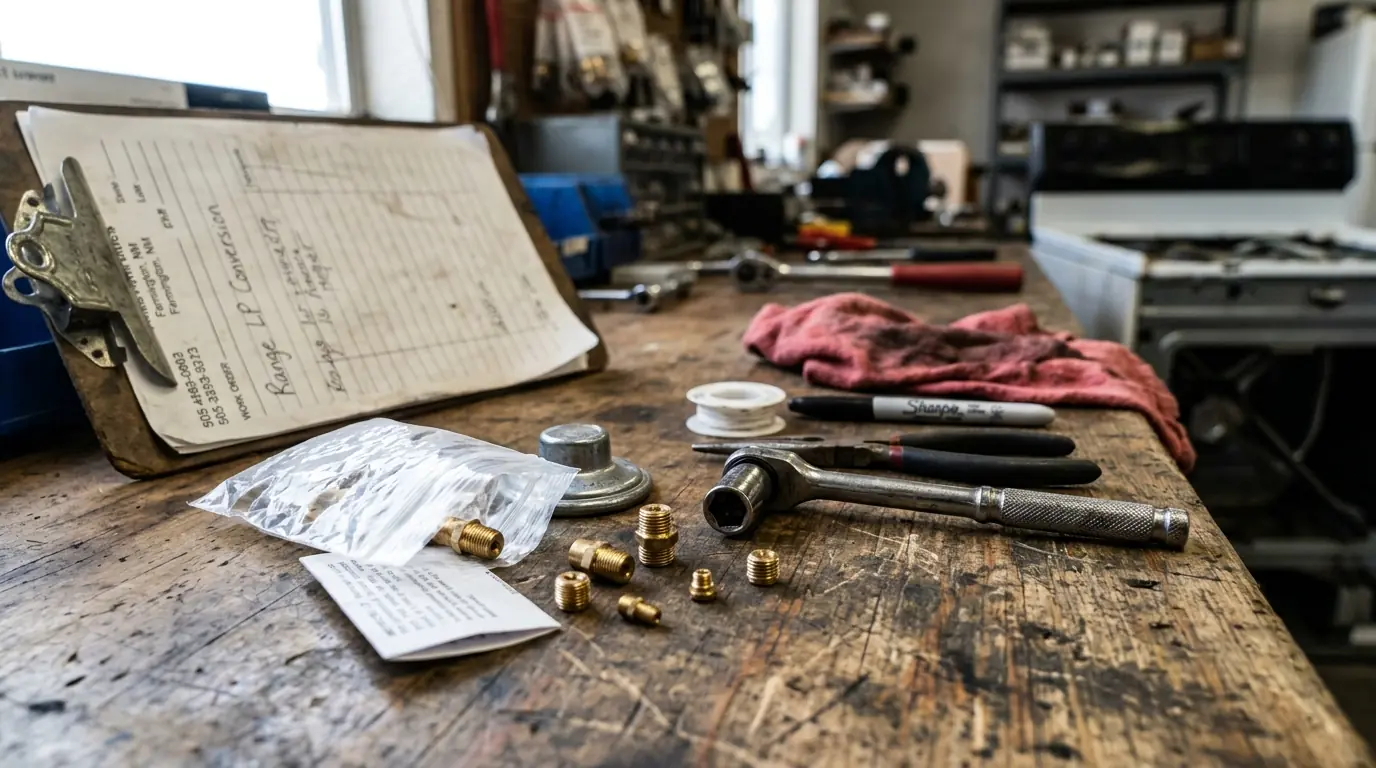
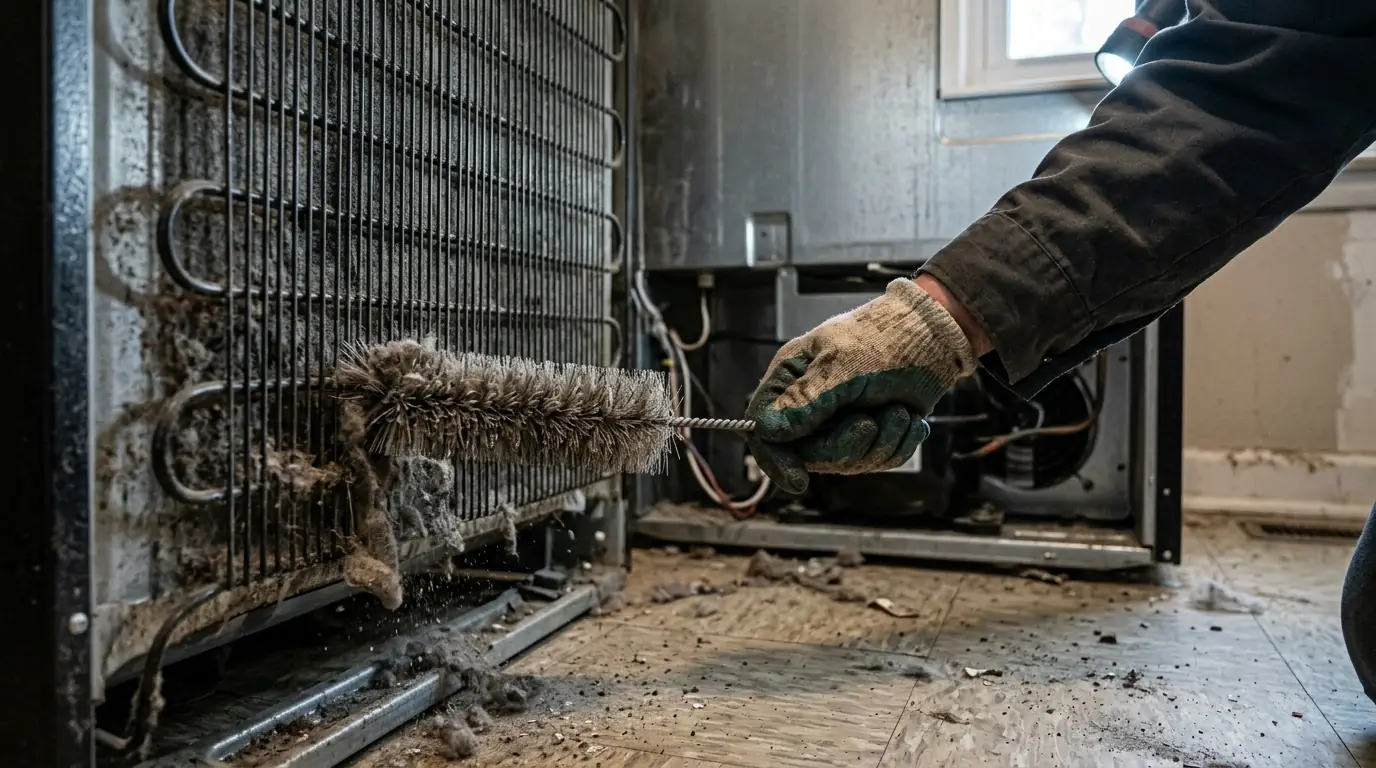
Where we handle water heater repair
Farmington neighborhoods first, then the rest of San Juan County and southwest Colorado. Pick your area for local notes, or see all 41 locations.
Water Heater Repair questions from Farmington homeowners
Why does my gas water heater pilot keep going out?
The most common reason is a worn thermocouple that no longer produces the small voltage the safety magnet needs. Soot in the pilot jet, a draft in an unheated garage or a tripped flammable vapor sensor on newer models can also do it. We test the thermocouple and clean the pilot before replacing anything larger.
Can a leaking water heater tank be repaired?
Not if the leak comes from the tank itself. Once the steel rusts through, a patch won't hold under pressure. Leaks from the T&P valve, drain valve or pipe fittings on top are repairable. Close the cold inlet valve, switch off the burner or breaker, and ring us so we can trace exactly where the water starts.
Why is my water heater making a popping or rumbling noise?
That sound comes from sediment on the bottom of the tank. Water trapped under the scale boils into small steam bubbles when the burner fires. It's very common on hard water and private wells. A thorough flush helps, though heavy, hardened scale on an older tank may not come out completely.
How do I know if my electric water heater element is bad?
A failed lower element usually gives you lukewarm water that runs out fast. A failed upper element or a tripped high-limit usually means no hot water at all. With the power off at the breaker, an element can be tested with a meter for resistance. We test both elements and thermostats so we replace only what failed.
Is a dripping T&P valve on my water heater dangerous?
The T&P valve is a safety device that opens when tank temperature or pressure gets too high. Occasional drips can come from a worn valve seat, but steady discharge can mean the thermostat is set too high, a gas valve is sticking open or household water pressure is high. Have it checked rather than capping the pipe.
Does a water heater on a private well need flushing more often than one on city water?
Usually, yes. Well water around San Juan County tends to carry more minerals, so a heater on a well benefits from a partial drain twice a year plus one thorough annual flush. City water can often go longer between flushes. If the heater already rumbles loudly, scale may be heavy enough that a professional flush is worth it.
Need water heater repair today?
Call any hour. A real person picks up, takes the model number and sets the visit.