Commercial refrigeration repair in Farmington, NM
A walk-in cooler creeping past 41 degrees puts a whole shift's inventory at risk. We repair walk-ins, reach-ins and prep tables for kitchens, stores and camps, and we pick up the phone at any hour.
- Answered 24/7
- Gas, electric and propane
- Farmington and the Four Corners
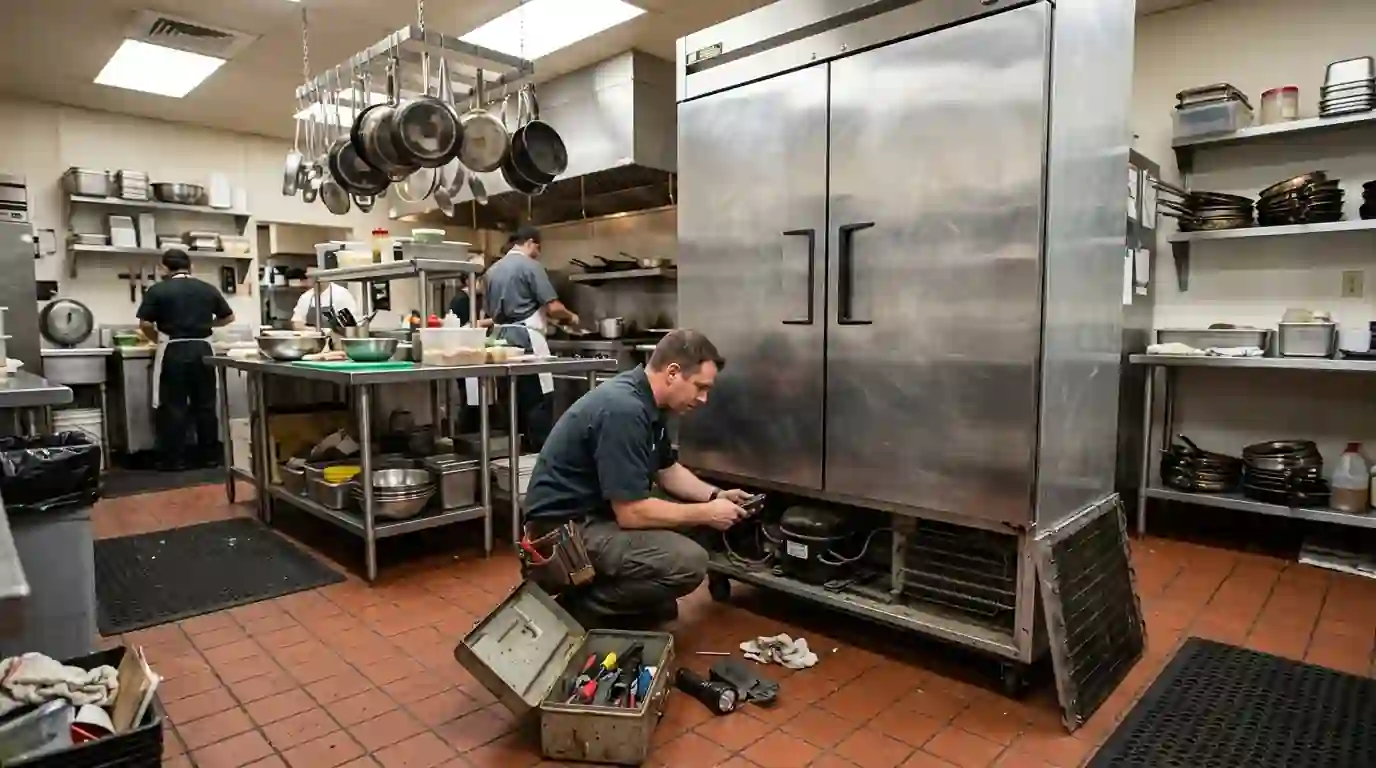
Refrigeration calls we get
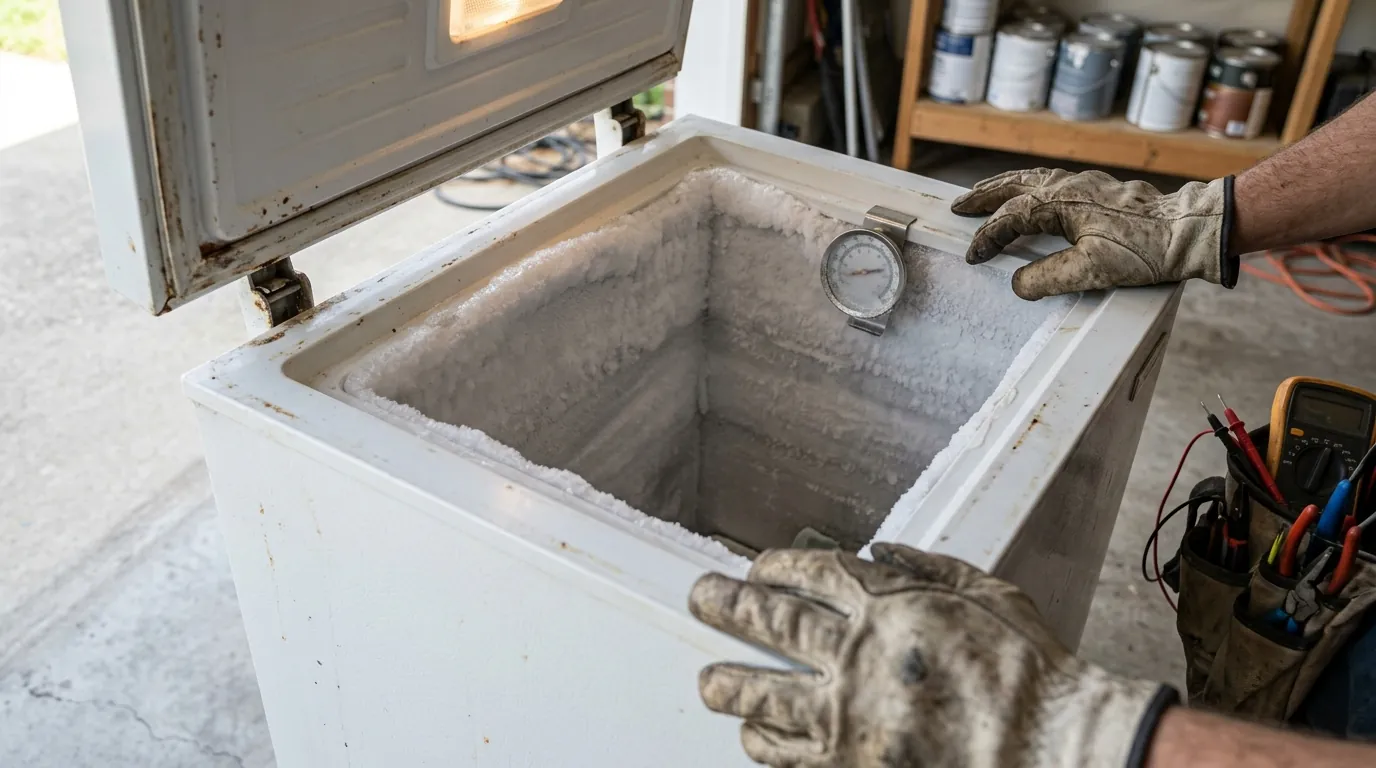
- Walk-in freezer iced over behind the fans
- Prep table rail running warm
- Reach-in cooler compressor short cycling
Quick answer
When a walk-in, reach-in or prep table warms up, the cause is usually a dirty condenser, a failed evaporator fan motor, a stuck defrost cycle, a torn door gasket or a bad start component on the compressor. Typical commercial refrigeration repairs here run about $226-$794, depending on the part. Phones are answered 24/7, and a tech goes out at any hour when product is at risk.
Brands we repair: Whirlpool, GE, Samsung, LG, Maytag, Frigidaire, KitchenAid, Bosch, Kenmore, Electrolux, Amana, Speed Queen, Sub-Zero, Hotpoint
Protecting your inventory when commercial refrigeration fails
Cold storage is where the money sits in a kitchen or convenience store. A walk-in full of proteins and produce can be worth more than the equipment holding it, and food safety rules don't leave much slack once box temperatures climb. That is why a warm cooler or freezer gets treated as an emergency. Our phone line is staffed at all hours, and when product is at risk, a tech heads your way whatever time it is.
We work on the full range of commercial cold equipment: walk-in coolers and freezers with remote or self-contained condensing units, single and double door reach-ins, under-counter units, sandwich and pizza prep tables, display merchandisers and bottle coolers. The repairs range from simple fixes like a torn door gasket or a seized evaporator fan to defrost timers, heaters, thermostats, contactors and compressor start parts.
Before a tech heads out, we ask for the model and serial from the data plate, the current box temperature, and what you're seeing or hearing. Is the evaporator iced? Is the condenser fan spinning? Does the compressor click on and off? Those answers decide which parts go on the truck. While you wait, we can talk you through moving product, keeping doors closed, and checking whether the breaker or the condenser unit has tripped.
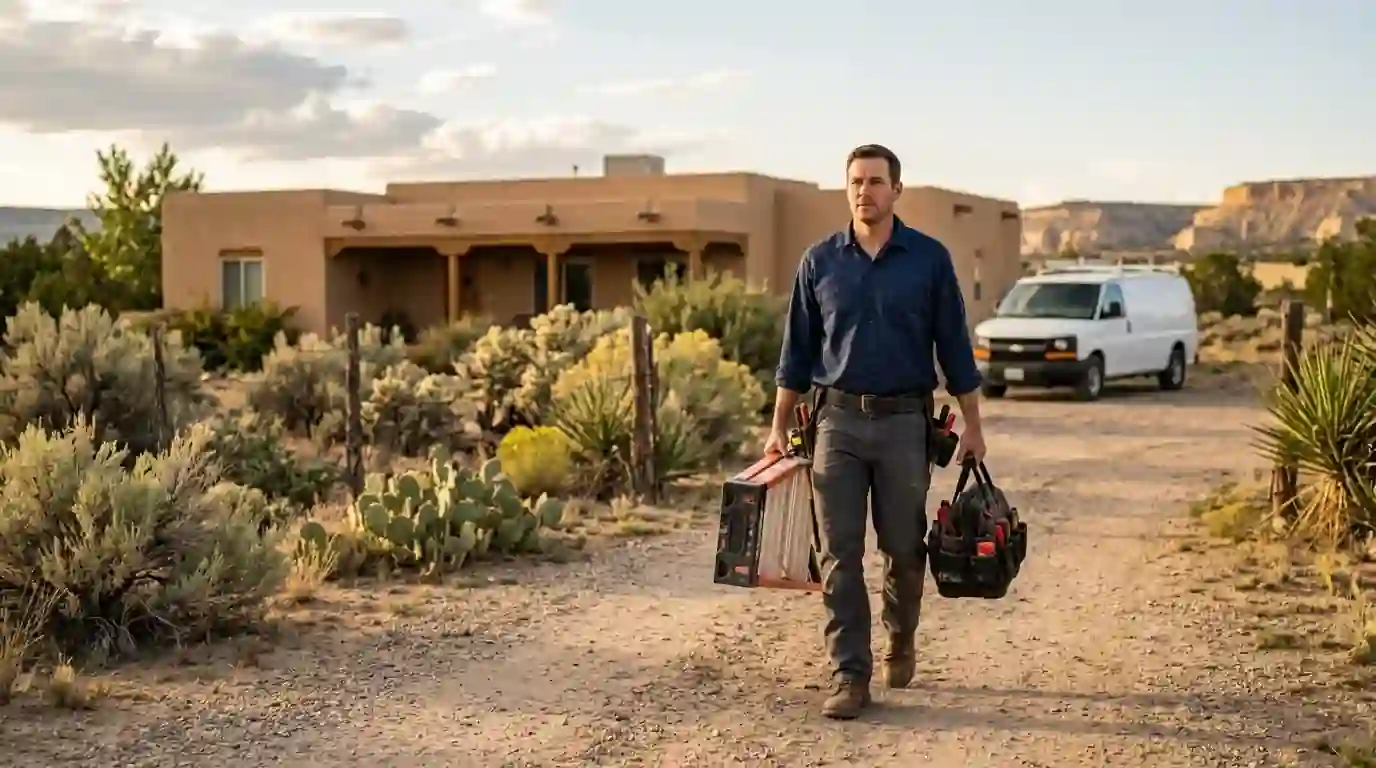
Warning signs your walk-in or reach-in needs service now
Catching these early can mean the difference between a cheap part and a load of spoiled product.
Box temperature creeping up
The cooler holds 38 in the morning and reads 45 by the lunch rush. A dirty condenser coil, a weak condenser fan or a low-charge problem makes the unit lose ground during busy hours.
Ice built up on the evaporator
A solid white block on the coil behind the fan guard means defrost isn't working or airflow is blocked. Defrost heaters, a defrost termination switch or a timer are the usual suspects.
Evaporator fans silent or grinding
Fans that stop or rattle leave the box warm even with the compressor running. In freezers, ice on the fan blade can stall the motor. We replace the motor and look for the cause.
Door won't seal or sweats
A torn gasket, a sagging door, or a failed door heater on a freezer lets warm air in. You'll see frost near the frame, water on the floor, or condensation running down the door.
Compressor clicks on and off
A compressor that tries to start and quits after a few seconds often has a failed start relay, start capacitor or overload. Sometimes a dirty condenser causes the overload to trip repeatedly.
Water pooling inside the box
A plugged drain line or a failed drain line heater on a freezer leaves water or ice on the floor. Left alone, it creates a slip hazard and builds ice up into the coil.
Why dust, heat and cold are hard on commercial refrigeration here
Condensers sitting on roofs and behind buildings in the Four Corners take a beating from wind and dust. Spring storms push sand into the fins, and cottonwood fluff near the rivers adds to the mat in early summer. A condenser coated in grit can't shed heat, so head pressure rises, the compressor runs hotter, and the system loses its grip on box temperature right when July highs reach around 90. Regular coil cleaning is the cheapest insurance a restaurant or store can buy.
Winter brings its own trouble for outdoor condensing units. With January lows in the teens, low-ambient controls, crankcase heaters and fan cycling switches have to do their job, or refrigerant pressures drop too low and the system short cycles. Remote walk-in units that ran fine all summer can start tripping on low pressure in the first hard cold snap. We test those controls and set them so the unit runs steadily through both seasons.
Monsoon storms add a third risk. Lightning and quick power blips in July and August can take out contactors, timers and electronic controllers on condensing units and reach-ins. A unit that won't restart after an outage may have a failed component rather than a refrigerant problem, and those parts are often a faster fix than anything involving the sealed system.
From a warm box to steady temperatures again
- First call
Box temperature and symptoms
Tell us the current temperature, the model and serial, and what you see: ice on the coil, silent fans, a clicking compressor. Photos of the data plate help.
- While we drive
Protect the product
Keep doors closed, move the most sensitive items to another cooler or freezer if you have one, and check that the condensing unit's breaker hasn't tripped.
- On arrival
Check the whole system
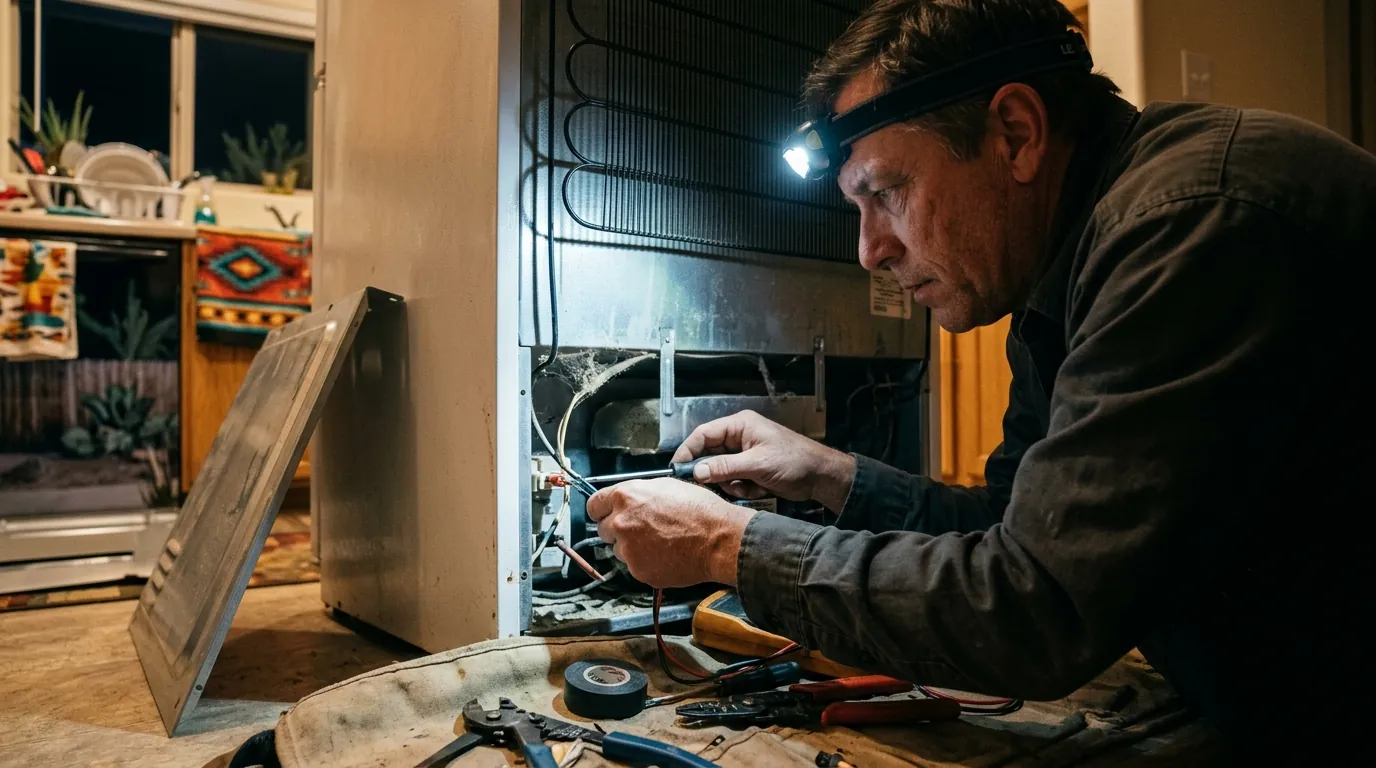
Our tech checks the condenser, fans, defrost components, door seals and electrical parts, reading temperatures and amp draws to find the actual cause.
- Same visit
Fix or stabilize
Common parts get replaced on the spot. If a part has to be ordered, we make the box as stable as possible, sometimes with a manual defrost, and set the return trip.
- After the repair
Watch it pull down
We stay long enough to see temperatures start dropping and the defrost and fan cycles behave correctly, then go over what failed with the manager on duty.
Cold-side components behind most warm boxes
These are the repairs behind most warm-box calls we take.
Condenser coil cleaning and fan motors
We brush and wash dusty condenser coils, check the condenser fan motor and blade, and confirm the unit is moving heat properly. On roof units, we also clear debris from around the cabinet.
Evaporator fan motors
We replace failed or noisy evaporator fan motors, clear ice that stalled them, and check the fan delay switch on freezers so the fans don't blow warm air across the coil after defrost.
Defrost heaters, timers and termination switches
We test the defrost heaters, the timer or controller, and the termination switch, then replace the failed part. A coil that defrosts properly holds temperature and doesn't build ice.
Door gaskets, hinges and heaters
Torn gaskets get replaced, sagging doors get re-hung or adjusted, and failed perimeter heaters on freezer doors get tested and replaced so frost stops forming at the frame.
Compressor start relays, capacitors and contactors
We test and replace start relays, start and run capacitors, overloads and contactors. Many compressors that seem dead come back with a new start component.
Drain lines and drain line heaters
We clear plugged condensate drains, replace failed drain line heaters on freezers, and check the drain pan heater. Water that drains properly stops ice building up from the floor of the box.
Price ranges for walk-in, reach-in and prep table repairs
These are typical local ranges with parts and labor. They depend heavily on the equipment and are not a quote.
| Condenser coil cleaning and fan check | $226-$397 |
|---|---|
| Evaporator fan motor replacement | $287-$523 |
| Defrost heater, timer or termination switch | $318-$594 |
| Walk-in or reach-in door gasket | $243-$476 |
| Compressor start relay, capacitor or contactor | $264-$497 |
Remote condensing units, roof access, refrigerant work and hard-to-find parts all raise the cost. Sealed-system repairs such as a compressor or leak repair are priced separately, and we explain the numbers before any work starts.
Daily habits that keep walk-ins and reach-ins cold
- Keep a temperature log for every walk-in and reach-in. A slow upward trend over a week is often the first sign of a dirty condenser or a weakening fan.
- Don't block the evaporator fans with stacked cases. Leave a few inches of space in front of the coil so cold air can circulate through the box.
- Check door gaskets weekly for tears and wipe them clean. Grease and food on the gasket make it stiff and help it tear at the corners.
- Have rooftop and outdoor condensers cleaned after the spring wind season and again in early fall, sooner if cottonwood fluff collects on the fins.
- Teach staff to close walk-in doors firmly and never prop them open during deliveries. Every minute open puts moisture on the coil and adds ice.
When a commercial cooler is worth repairing, and when it isn't
Most walk-in and reach-in problems are repairable at a fraction of the replacement cost. Fans, gaskets, defrost parts and start components are relatively cheap, and the box itself can last a very long time. Even a compressor replacement can make sense on a walk-in with a solid box and a good evaporator.
Replacement becomes the better choice when a self-contained reach-in has a failed compressor and a corroded cabinet, when parts are no longer made, or when a unit needs repeated refrigerant work because of a leak that can't be found. We'll tell you plainly which side of that line your equipment is on.
Related repairs people book with commercial refrigeration repair
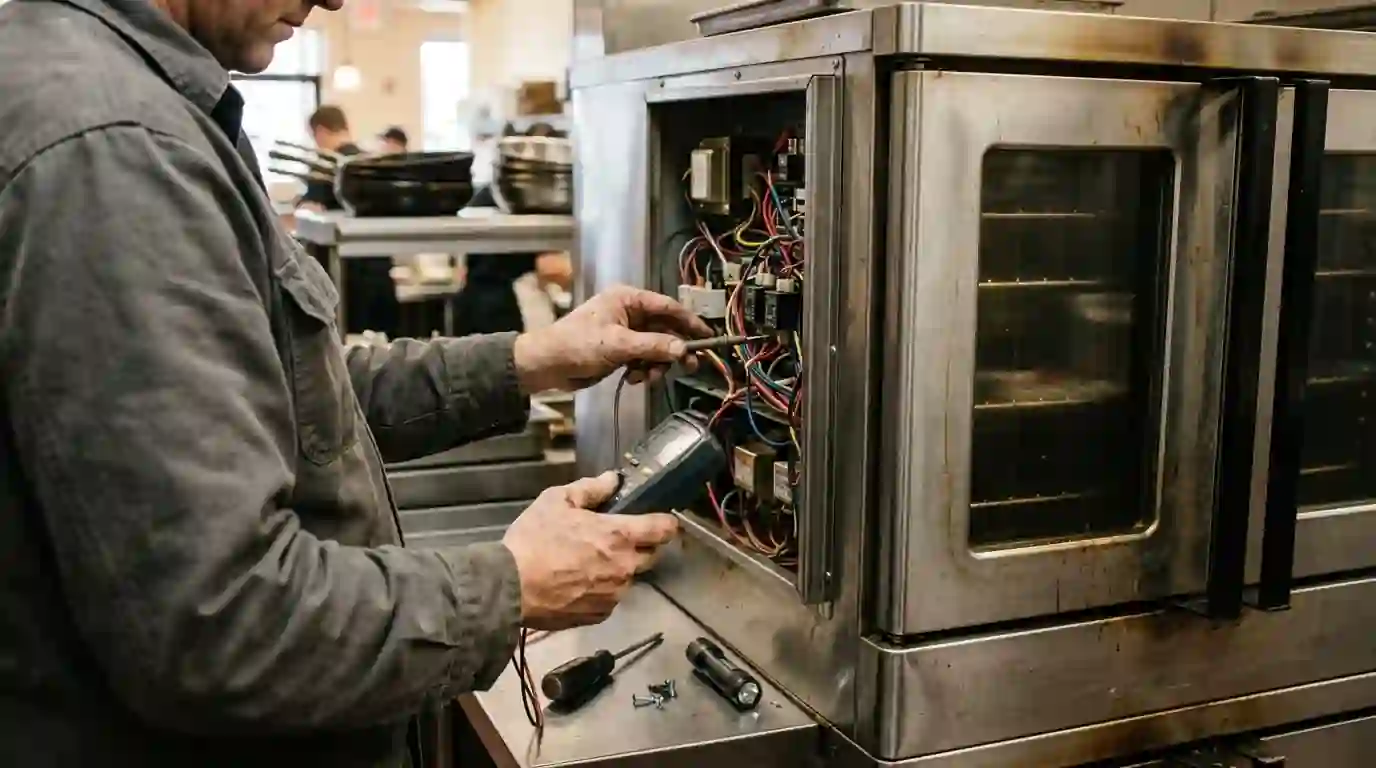
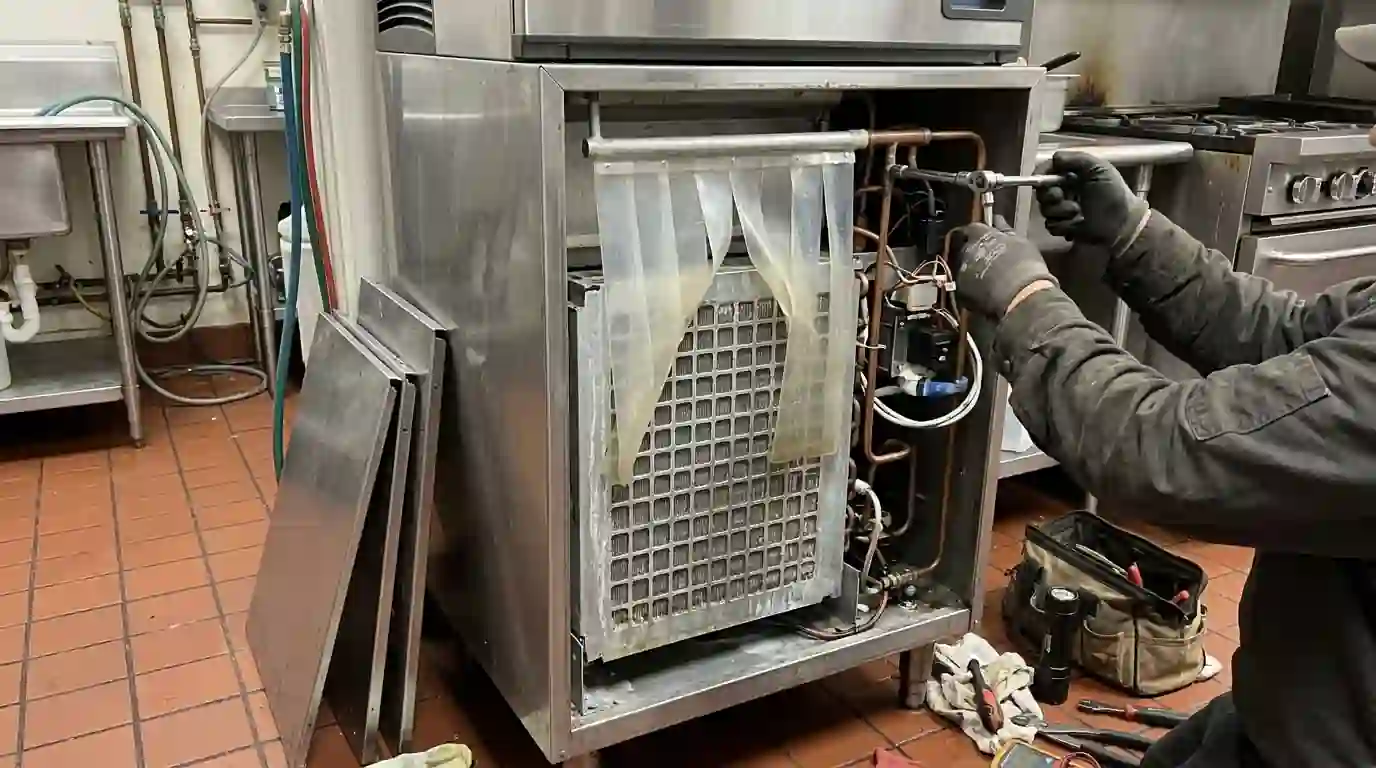
Where we handle commercial refrigeration repair
Farmington neighborhoods first, then the rest of San Juan County and southwest Colorado. Pick your area for local notes, or see all 41 locations.
Commercial Refrigeration Repair questions from Farmington homeowners
Do you provide 24/7 commercial refrigeration repair for walk-in coolers?
Yes. Our phones are staffed 24/7, and when a walk-in cooler or freezer is losing temperature with product inside, we send a tech at any hour. Let us know the current box temperature and the model when you call.
Why is my walk-in freezer evaporator covered in ice?
Usually the defrost system has failed: a burned-out defrost heater, a bad timer or controller, or a faulty termination switch. A stalled evaporator fan, a door left ajar, or a torn gasket letting in humid air can also cause heavy ice buildup.
Why is my commercial prep table running warm?
Prep tables work hard because the lids are often open. Common causes are a dirty condenser coil, a failed evaporator fan, worn lid or door gaskets, and an iced coil. Overfilling the rail pans above the fill line also keeps product from staying cold.
How often should commercial refrigeration condensers be cleaned in Farmington?
At least twice a year, and more often for roof units or kitchens with heavy grease. After windy spring dust storms and when cottonwood fluff is in the air, check the coils. A clean condenser runs cooler and avoids high-pressure trips.
What should I do with food if my commercial cooler fails?
Keep the doors closed, move the most sensitive items such as proteins and dairy to a working cooler, and track temperatures. Follow your food safety rules for time and temperature when deciding what to keep. Then call us so we can start the repair.
Can you repair commercial refrigeration at convenience stores and camps?
Yes. We work on reach-ins, display coolers, bottle coolers and walk-ins at stores, motels and work camps from Farmington out to Shiprock, Bloomfield and Aztec, and over the Colorado line to Durango and Cortez. Give us the equipment details up front so we can pack the likely parts.
Need commercial refrigeration repair today?
Call any hour. A real person picks up, takes the model number and sets the visit.