Commercial appliance repair in Farmington, NM
A fryer that won't hold temperature or a dish machine that stops mid-rush shuts down a kitchen. We repair commercial cooking and cleaning equipment for restaurants, motels and work camps, with the phone line staffed every hour of the day.
- Answered 24/7
- Gas, electric and propane
- Farmington and the Four Corners
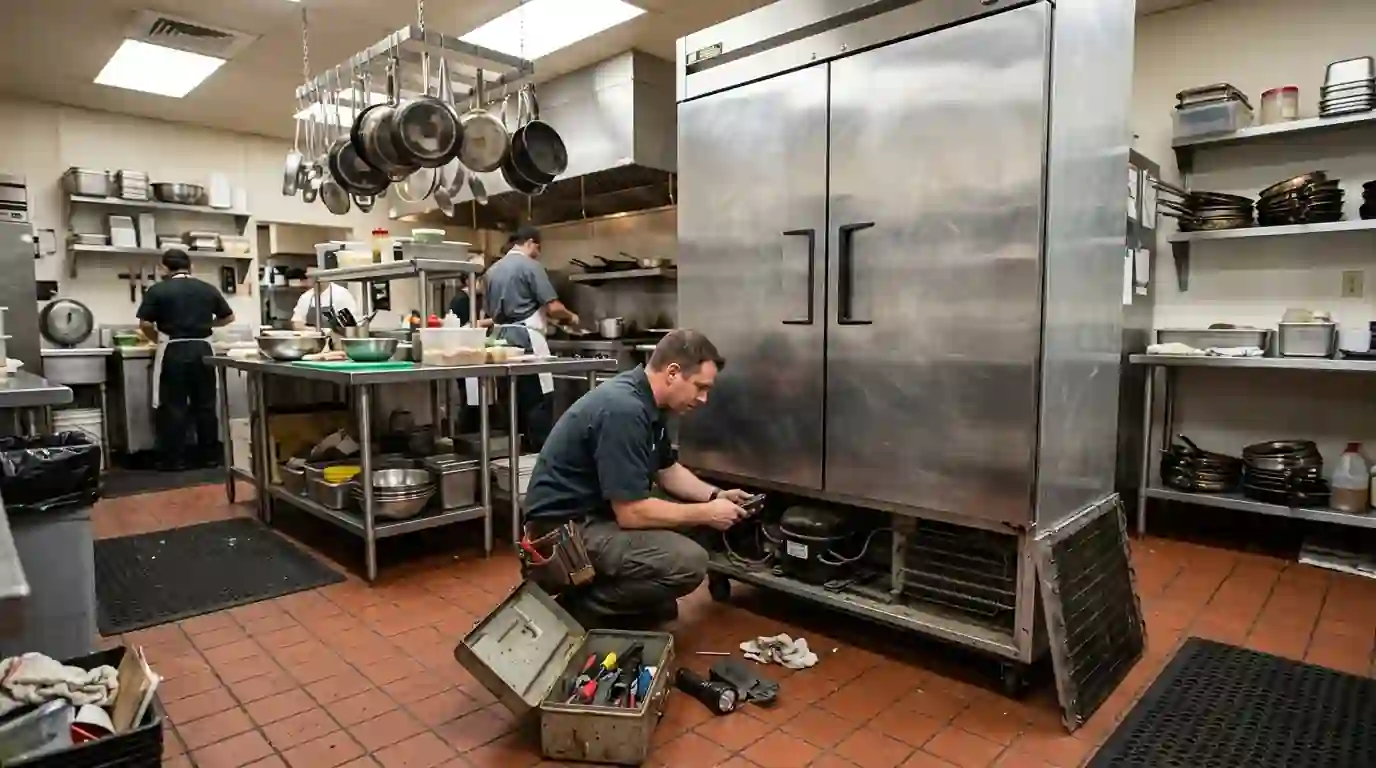
Kitchen calls we answer
- Fryer pilot keeps going out
- Convection oven fan stopped mid-bake
- Dish machine rinse not getting hot
Quick answer
Most commercial kitchen breakdowns come down to a handful of parts: fryer thermopiles and high-limit switches, range and oven thermostats, convection blower motors, dish machine wash pumps and booster heaters. Typical commercial repairs in the Farmington area run about $213-$687, depending on the part and the equipment. Someone picks up 24/7, and a down kitchen gets a tech dispatched day or night.
Brands we repair: Whirlpool, GE, Samsung, LG, Maytag, Frigidaire, KitchenAid, Bosch, Kenmore, Electrolux, Amana, Speed Queen, Sub-Zero, Hotpoint
Keeping a commercial kitchen cooking when equipment quits
Commercial equipment runs harder than anything in a home kitchen. A restaurant range might have its pilots lit sixteen hours a day, a fryer cycles oil up to temperature dozens of times a shift, and a dish machine pushes racks through until closing. When one of them quits, you lose covers, product and staff hours. We treat a down line as an emergency, and a person picks up the phone no matter the hour.
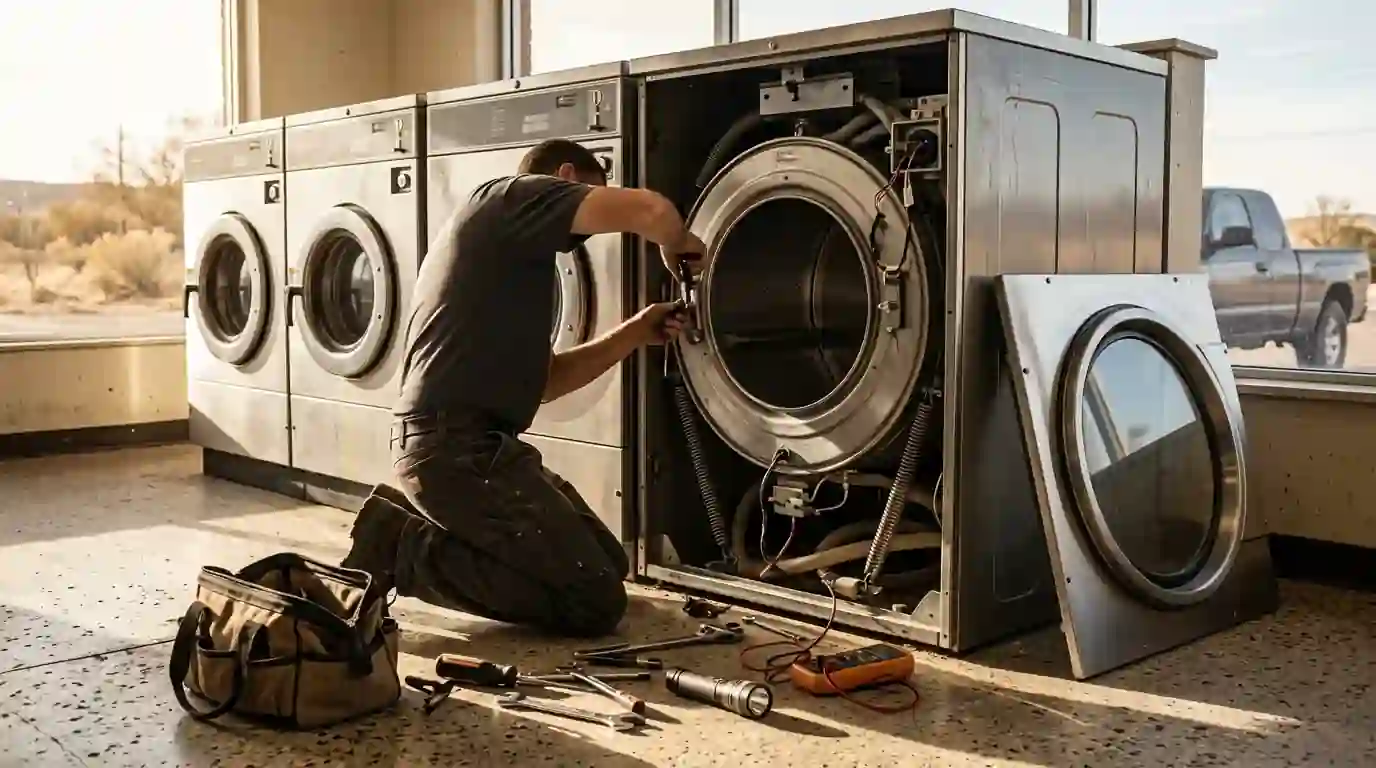
Our techs work on gas and electric equipment: open-burner ranges, griddles and charbroilers, deep fryers, convection and deck ovens, steam tables, and undercounter and door-type dish machines. We also fix the lighter-duty gear that motels and work camps depend on, such as breakfast-area ovens, microwaves, coffee brewers, and the small refrigerators in guest rooms and bunkhouses.
Before a tech heads your way, we ask for the make, model and serial from the data plate and what the unit is doing. Commercial parts are less likely to be sitting on a shelf in town than residential ones, so knowing the equipment ahead of time is the difference between a single visit and two. When a part has to come in, we keep the rest of the line running safely where we can and set the return trip as soon as it lands.
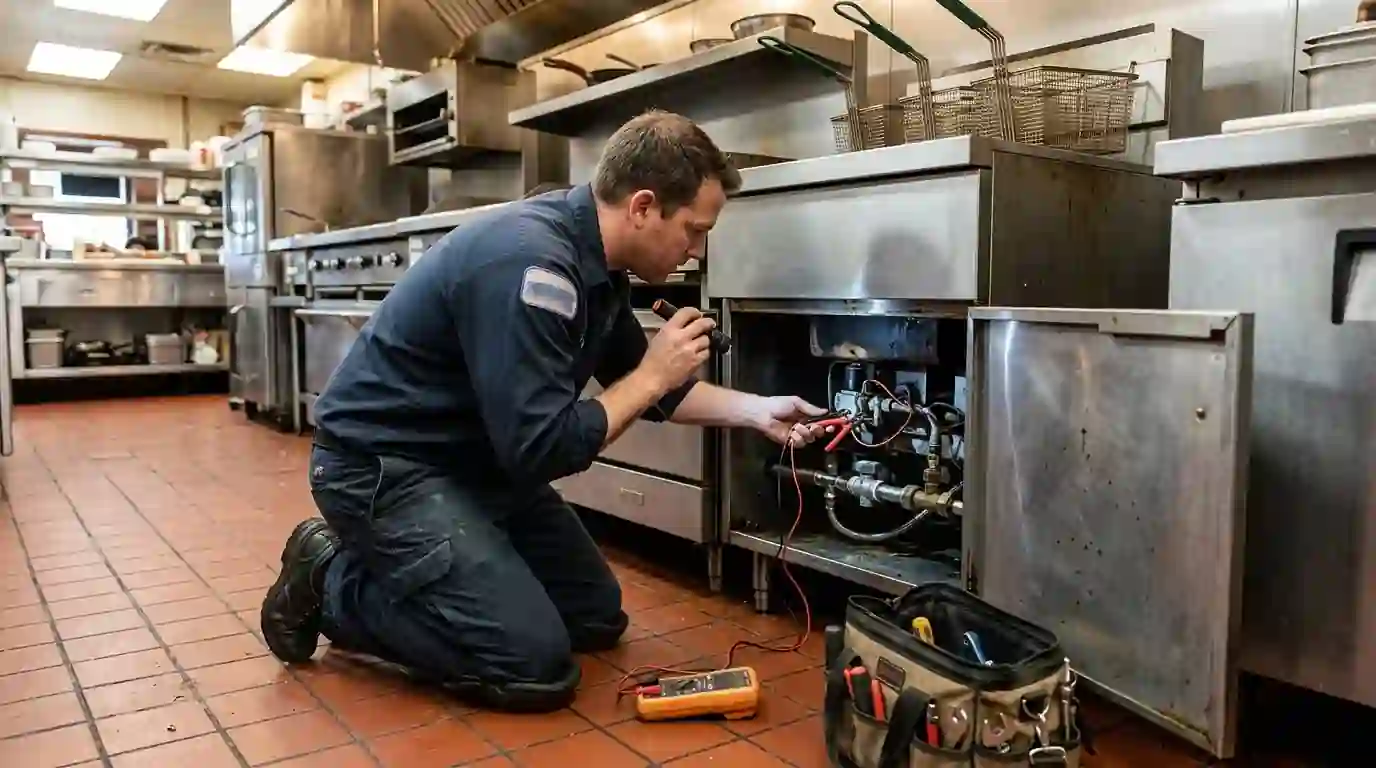
Which kitchen equipment problems need a call today?
Each of these can stop a line, and most trace to a part we can test on site.
Fryer won't light or stay lit
A pilot that lights but drops when you release the knob usually points to a weak thermopile or thermocouple. A fryer that shuts off mid-shift may have tripped its high-limit switch, which needs checking.
Fryer oil runs too hot or cold
Oil that overshoots or lags behind the setpoint means a failing operating thermostat or temperature probe. Overheated oil breaks down fast and is a fire risk, so shut it down until it's tested.
Convection oven bakes unevenly
Pale on one side and dark on the other often means the blower motor is slowing or the fan wheel is loose. A door switch that fails can also stop the fan while the burner keeps firing.
Range oven won't reach temperature
On commercial ranges, an out-of-calibration oven thermostat, a weak safety valve or a dirty pilot is common. We check the pilot flame, test the safety valve and recalibrate or replace the thermostat.
Dish machine rinse runs cool
If the final rinse doesn't reach the temperature on the data plate, a booster heater element, its thermostat or a scaled heating tank is likely. Cool rinse water means dishes aren't properly sanitized.
Dish machine won't fill or drain
A failed fill solenoid, a clogged inlet strainer, a stuck float switch or a jammed drain valve stops the cycle. Hard water scale makes all of these fail sooner around here.
What the Four Corners does to commercial cooking and dish equipment
Elevation matters on gas equipment. Farmington kitchens cook near 5,400 feet, and places like Durango, Cortez and Mancos sit even higher, so burners and pilots set up for sea level can run lean or lift off the port. Manufacturers publish high-altitude instructions for orifices and gas pressure, and equipment moved in from a lower town doesn't always get adjusted. A soft yellow flame, soot on the flue, or pilots that blow out when the hood fan kicks on are all clues we chase down.
Hard water is hard on dish machines. Booster heaters, wash arms, rinse nozzles, fill solenoids and float switches all collect scale, and the problem is worse in kitchens on well water. A machine that once hit its rinse temperature easily starts falling short as scale insulates the element. Regular deliming and an inlet water filter help, and we see the difference in how often a kitchen calls us.
Many work camps and rural motels in the county run on propane. Equipment converted from natural gas needs the right LP orifices and regulator, and a missed conversion shows up as tall, lazy flames or a sooty oven cavity. If anyone smells gas in the kitchen, shut the equipment valve, get everyone outside, and dial 911 or the gas company from a safe distance before ringing us.
How we get a commercial kitchen back in service
- First call
Equipment details
Tell us the make, model and serial from the data plate and what the unit is doing. Photos of the plate and any error display help us bring the right parts.
- Before arrival
Make the area safe
Shut the gas valve on the unit if a flame problem is involved, kill power to electric equipment that smells hot, and drain or cool fryer oil if possible.
- On arrival
Test under real conditions
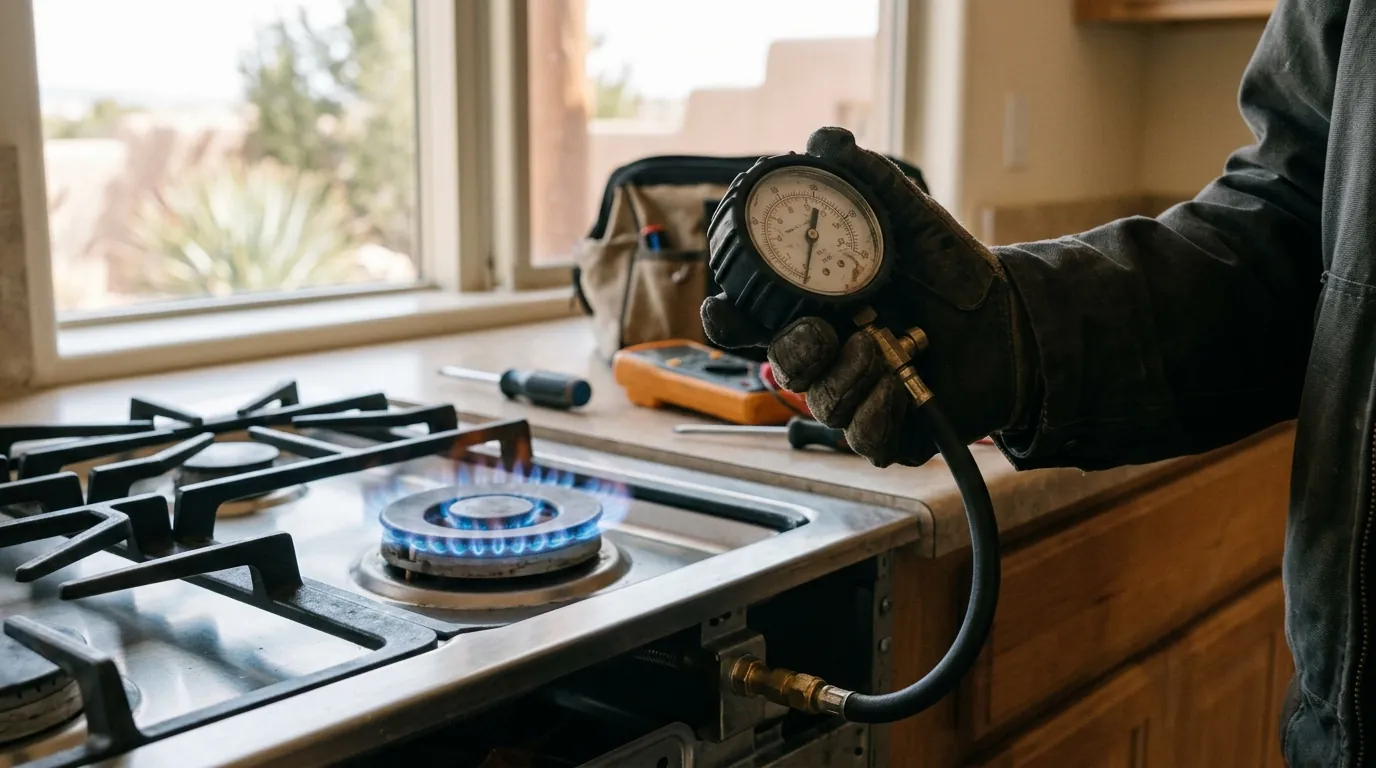
Our tech checks gas pressure, millivolt output, amp draw or water temperature, depending on the equipment, and finds the part that failed rather than guessing.
- During service
Repair or work around
If we carry the part, we install it and cycle the equipment. If not, we make the unit safe, keep the rest of the line running, and order the part.
- Before we leave
Check it during use
We watch the equipment run through a real cook or wash cycle, confirm temperatures, and tell the manager on duty what failed and what to watch for.
Commercial parts we test and replace most often
These parts account for a large share of our commercial calls.
Fryer thermopiles and gas valves
Millivolt fryers depend on the thermopile to power the gas valve. We measure its output, clean or replace the pilot assembly, and replace the thermopile or valve when readings fall short.
High-limit and operating thermostats
The high-limit keeps a fryer from overheating oil, and the operating thermostat holds the setpoint. We test both against a thermometer in the oil and replace whichever has drifted or failed.
Convection blower motors and door switches
We check the blower motor's bearings and amp draw, tighten or replace the fan wheel, and test the door switch that stops the fan when the door opens. Noisy bearings are an early warning.
Oven safety valves and pilots
Commercial range ovens use a safety valve that closes if the pilot goes out. We clean the pilot orifice, check the flame against the sensing bulb, and replace a valve that no longer holds open.
Booster heaters and elements
We test booster heater elements, thermostats and contactors, delime the tank when scale is the culprit, and confirm the final rinse reaches the temperature listed on the dish machine's data plate.
Dish machine pumps and solenoids
Wash pumps, drain valves and fill solenoids wear out with heavy cycling. We replace seals or motors, clean inlet strainers and float switches, and run test racks before handing the machine back.
What commercial kitchen repairs usually run in this area
Commercial parts cost more than residential ones. These typical Farmington-area ranges include parts and labor and are not a quote.
| Fryer thermopile or pilot assembly | $213-$394 |
|---|---|
| Fryer or oven thermostat replacement | $267-$518 |
| Convection oven blower motor | $389-$687 |
| Dish machine fill solenoid or float switch | $237-$446 |
| Booster heater element and thermostat | $318-$619 |
The make of the equipment, part availability, travel to remote camps and after-hours timing all move the price. We give you the cost on site before replacing anything.
Habits that keep commercial equipment from breaking down mid-shift
- Boil out fryers on a regular schedule and keep crumbs off the pilot area. Carbon buildup around the pilot is a common reason a thermopile stops producing enough voltage.
- Delime dish machines and booster heaters as often as your water calls for. In kitchens on well water, monthly deliming is often necessary.
- Keep a thermometer handy and spot-check fryer oil and oven temperatures weekly. Catching a drifting thermostat early saves product and avoids a sudden shutdown.
- Clean hood filters often. Grease-loaded filters choke the exhaust, which can pull pilots out and push heat back onto the controls of ranges and fryers.
- Post the gas shut-off location and the breaker labels near the cook line so any staff member can kill a unit fast when something goes wrong.
Fixing older commercial equipment versus replacing it
Commercial ranges and fryers are built to be repaired. A heavy-duty range can run for decades with new valves, thermostats and pilot assemblies, and that is usually far cheaper than buying new. Where replacement makes sense is when the body itself is failing: a cracked fry pot, a rusted-through oven floor, or a dish machine with a corroded tank and obsolete control parts that can no longer be ordered.
If you are weighing the two, we'll give you the cost of the current repair, a sense of what else on the unit is wearing out, and whether parts are still available. That lets you plan a replacement during a slow week instead of being forced into one on a Friday night.
Related repairs people book with commercial appliance repair
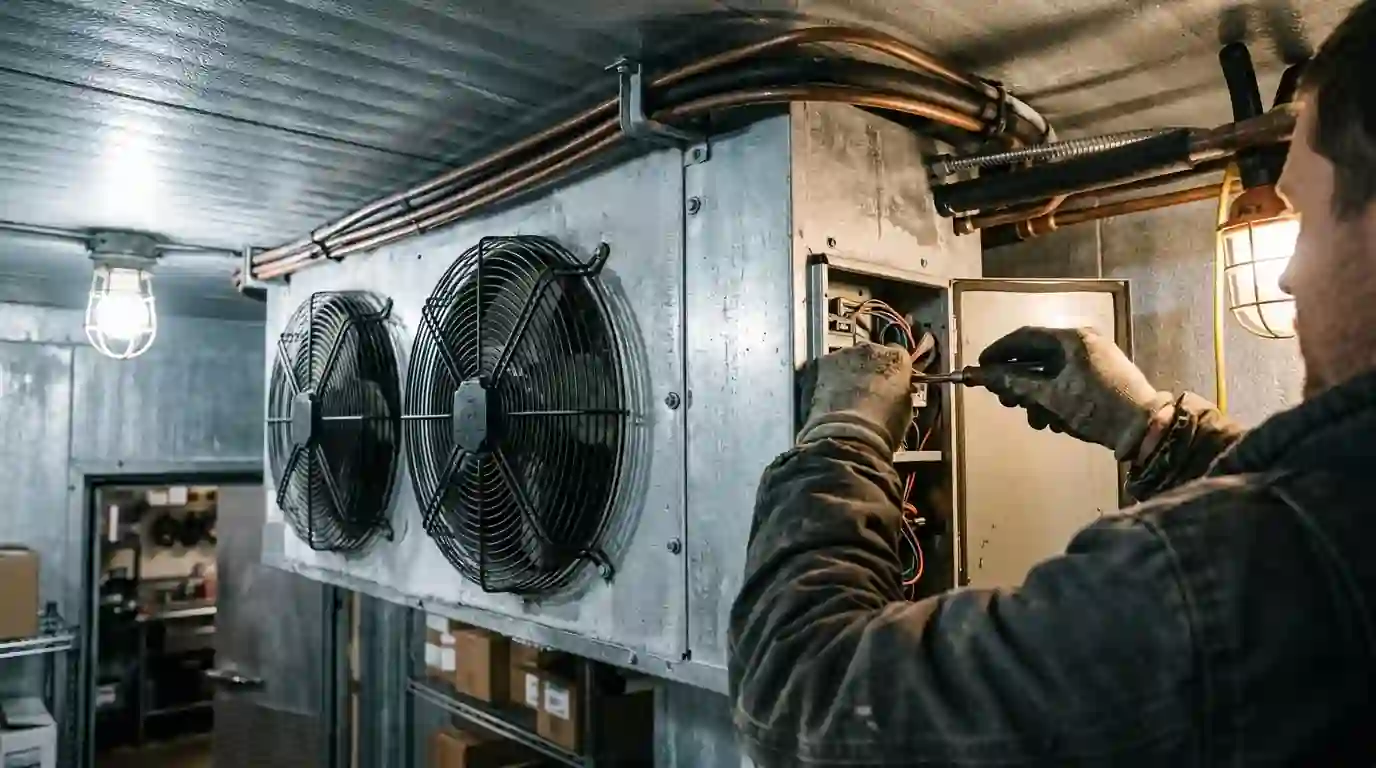
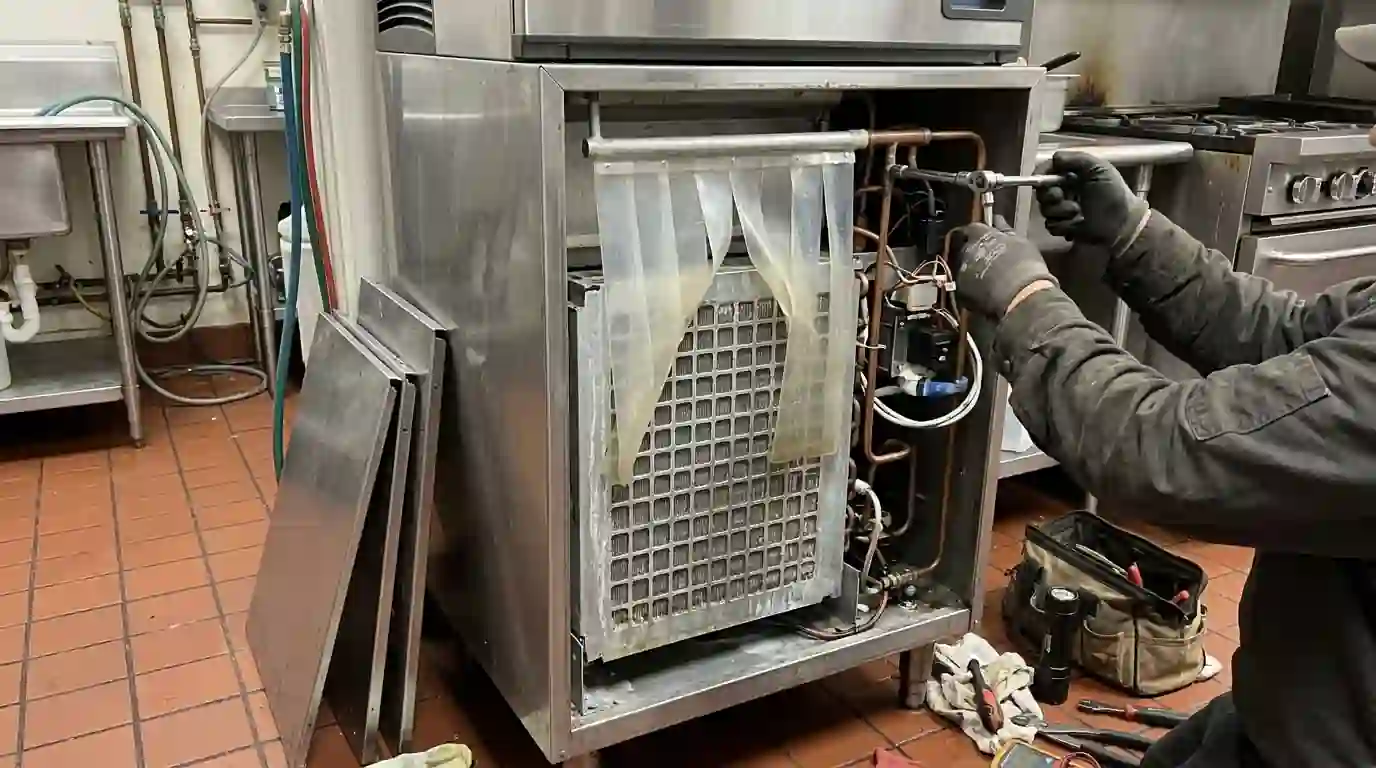
Where we handle commercial appliance repair
Farmington neighborhoods first, then the rest of San Juan County and southwest Colorado. Pick your area for local notes, or see all 41 locations.
Commercial Appliance Repair questions from Farmington homeowners
Do you offer 24/7 commercial appliance repair for restaurants?
Yes. A person answers day and night, and a restaurant or camp kitchen that's down gets a tech whatever the time. Read us the data plate details on that first call, since it lets us load the parts most likely to finish the job in one stop.
What commercial kitchen appliances do you repair?
Gas and electric ranges, griddles, charbroilers, deep fryers, convection and deck ovens, steam tables, and undercounter and door-type dish machines. We also fix motel and work camp equipment like breakfast ovens, microwaves, coffee brewers and guest-room refrigerators.
Can you repair commercial appliances at remote work camps?
Yes, within our service area across San Juan County and nearby La Plata and Montezuma counties. Remote camps add travel time, so we ask for the make, model and serial up front to pack the right parts and avoid a second drive.
Why does my commercial fryer pilot keep going out?
The most common reasons are a weak thermopile or thermocouple, a dirty pilot orifice, or drafts from a hood fan pulling the flame. At our elevation, a pilot not set up for altitude can also be unstable. We test the millivolt output and check the flame.
Why is my commercial dish machine rinse not hot enough?
Usually the booster heater: a failed element, a bad thermostat, a tripped high-limit or a tank coated in scale. Low incoming water temperature also plays a part. Cool final rinse water means dishes may not be sanitized, so it's worth fixing quickly.
Do you repair commercial appliances that run on propane?
Yes. Many rural kitchens and camps here use propane. We check that orifices and regulators are set for LP and for our altitude, inspect flames and pilots, and replace gas valves and thermocouples. Any gas smell means getting staff outside and calling the gas utility first.
Need commercial appliance repair today?
Call any hour. A real person picks up, takes the model number and sets the visit.