Range and stove repair in Farmington, NM
A burner that won't light, or a flame that burns yellow and leaves soot, makes cooking hard and sometimes unsafe. We repair freestanding and slide-in ranges on natural gas, propane and electric, and we check the fuel setup while we're there.
- Answered 24/7
- Gas, electric and propane
- Farmington and the Four Corners
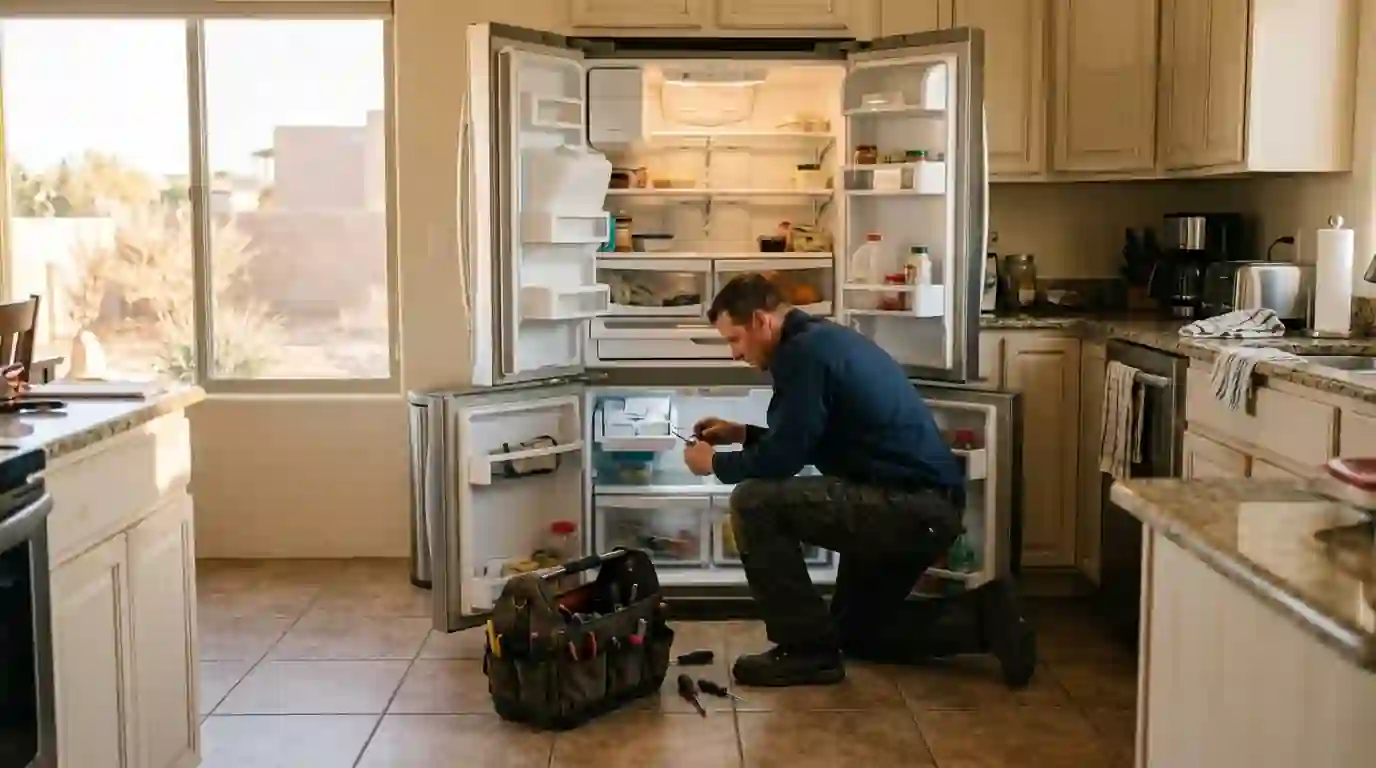
Stove trouble we fix
- Burner clicks nonstop after lighting
- Yellow flame and soot on pans
- Electric coil burner stays cold
Quick answer
Range problems around Farmington usually trace to spark igniters and switches, clogged burner ports, a wrong propane or natural gas setup, or failed electric burner switches and elements. Typical stove repairs here run about $134-$389, and a propane conversion with setup runs about $187-$362. Calls are picked up 24/7, any day of the year, and we can often come the same day.
Brands we repair: Whirlpool, GE, Samsung, LG, Maytag, Frigidaire, KitchenAid, Bosch, Kenmore, Electrolux, Amana, Speed Queen, Sub-Zero, Hotpoint
Freestanding and slide-in ranges: what fails and why
A range combines a cooktop and an oven in one appliance, so a single service call can involve several systems. On a gas range, each surface burner has a spark electrode, a burner cap and head, a valve on the control panel, and an orifice sized for the type of gas. The spark module sends a pulse to every electrode when a knob turns. On an electric range, each coil or radiant burner has its own infinite switch that cycles power on and off.
The most common gas range calls we get are burners that won't light, burners that click after lighting, and flames that run yellow or lift off the burner. Electric range calls usually involve a coil burner that won't heat, a burner stuck on high, or a loose receptacle that arcs and burns the terminal. Most of these are inexpensive, well-understood repairs.
Slide-in ranges add a few wrinkles: controls on the front, a cooktop that overlaps the counter, and an anti-tip bracket that has to be released before the range can come out. We plan for that, and we reset the bracket when we push the range back. If your range has a griddle burner, a warming drawer or a dual-fuel setup with an electric oven, mention it on the call.
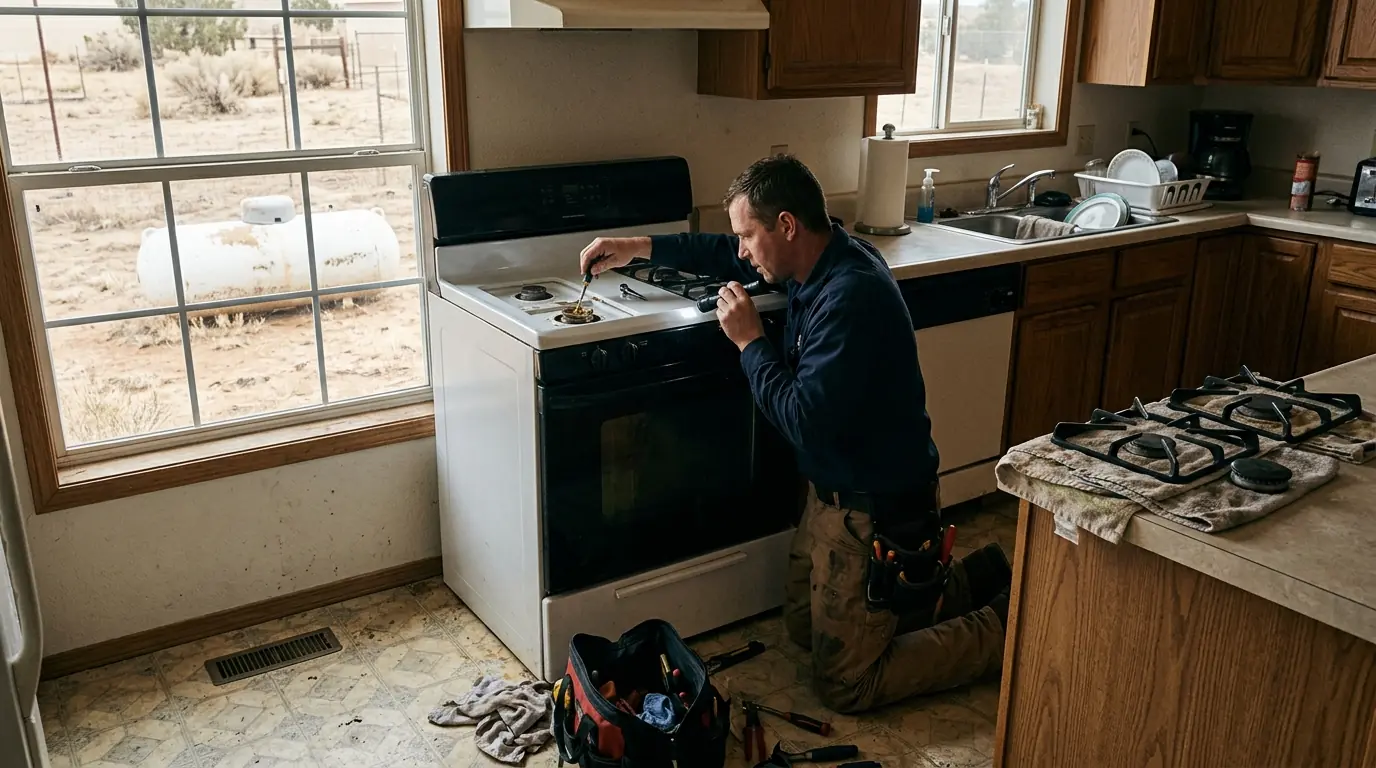
Range repairs we do every week
These six repairs account for most of the stoves we work on.
Spark igniter, switch and module
We test each electrode, the spark switches behind the knobs and the spark module. A cracked electrode or a shorted switch is replaced so the burners light cleanly and the clicking stops.
Burner heads, caps and ports
Boil-overs clog burner ports and throw caps out of line. We clean the ports, seat the caps properly and replace warped or cracked burner heads so the flame burns even and blue.
Propane conversion and orifices
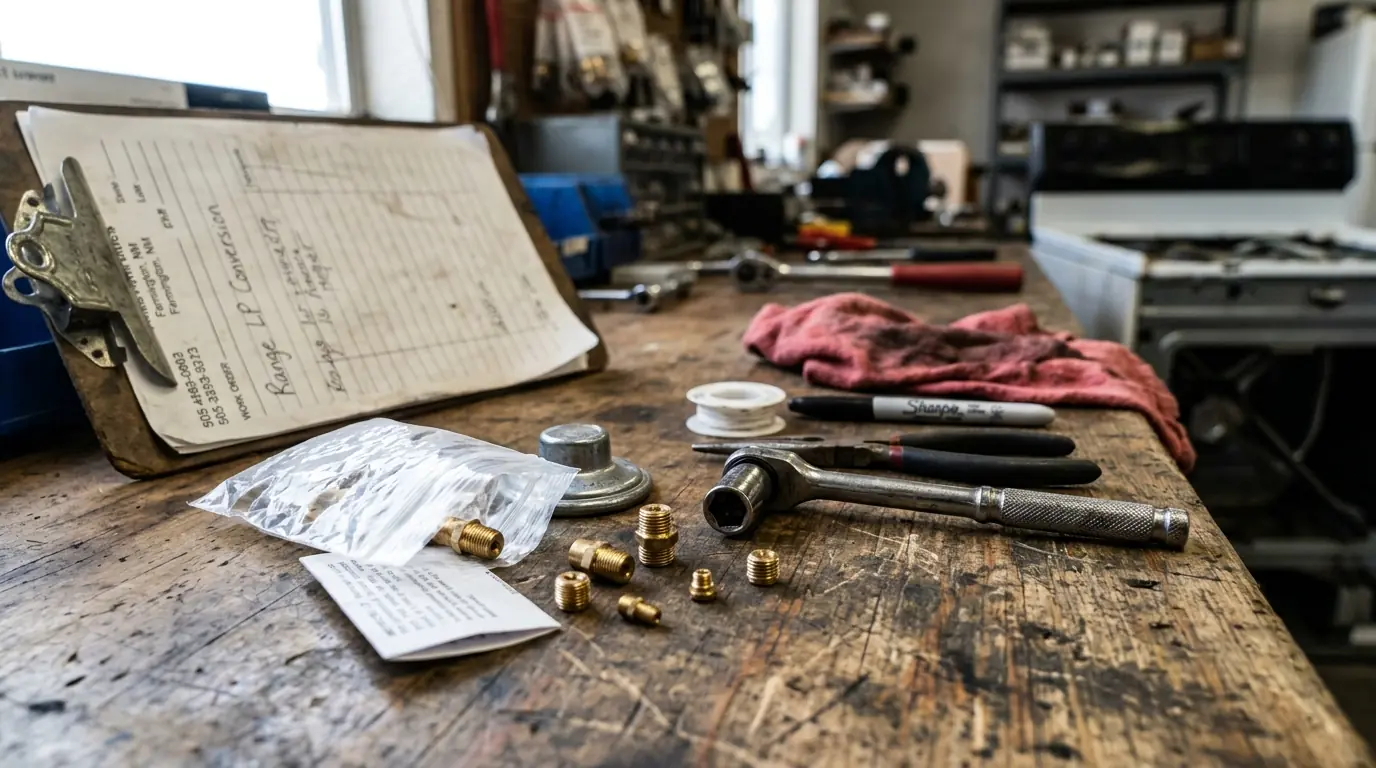
We fit the correct LP orifices, set the regulator to propane, adjust the oven burner air shutter and test every burner. A proper conversion gives a steady, clean flame on tank fuel.
Surface valves and regulator
A valve that leaks, sticks or won't shut down to a low flame needs replacing. We also check the pressure regulator, since a failed regulator affects every burner on the range.
Infinite switches and receptacles
On electric ranges, we test the infinite switch for each burner, replace burned receptacles and repair scorched wiring, so coil burners heat at the right settings.
Oven section of the range
Ranges also need the oven repairs we do on wall ovens: igniters, bake elements, sensors and controls. One visit can cover both the cooktop and the oven.
Range symptoms and what they usually mean
The way a burner fails tells us a lot about which part to test first.
Clicking continues after the flame lights
A wet or cracked spark switch, a dirty electrode, or a misaligned burner cap can keep the spark module clicking. Moisture from a boil-over is a frequent cause and sometimes dries out on its own.
Burner clicks but never lights
If you hear the spark but nothing ignites, the burner ports or orifice may be clogged, the cap may be off center, or the electrode may be cracked. We check gas flow before replacing parts.
Yellow flame or soot
A yellow or lazy flame, black soot on pots, or a burner that roars usually points to a wrong orifice, a poor air shutter setting, or a range set for the wrong gas type.
Flame lifts off the burner
Flames that float above the ports or blow out easily often mean the gas pressure or orifice size doesn't suit the fuel. On propane homes, a missed conversion is a common reason.
Coil burner won't heat
If one coil stays cold, swap it with a working burner of the same size. If the problem moves, the coil failed; if it stays, the receptacle or infinite switch is bad.
Burner stuck on high
An electric burner that glows red at every setting has a failed infinite switch. It is a fire risk and should be fixed before using that burner again.
What stove repair typically costs around Farmington
These typical ranges include parts and labor. They are not a quote; your model and the failed part set the final price.
| Spark switch or electrode | $134-$243 |
|---|---|
| Spark module | $176-$308 |
| Surface burner valve or regulator | $192-$389 |
| Propane conversion and burner setup | $187-$362 |
| Infinite switch or coil receptacle | $139-$261 |
Slide-in ranges and models with sealed burners or front controls take more time to open. The conversion price assumes the kit is available for your range model.
Propane ranges and rural kitchens around the Four Corners
Outside city gas service, many homes across San Juan County run on propane, from Kirtland and Waterflow to Lee Acres and Crouch Mesa. Most new ranges leave the factory configured for natural gas, so a propane home needs a conversion kit: smaller orifices for every burner and the oven, and a regulator switched to the LP setting. When a range is hooked to a propane tank without that conversion, flames run tall and yellow, soot builds fast, and burners can produce carbon monoxide.
A range that came with a house, or moved from a city kitchen to a rural one, is the most likely to have the wrong setup. We check the orifices and the regulator setting, and we follow the manufacturer's high-altitude instructions where they apply. At about 5,400 feet in Farmington and higher in the mountain towns, a flame that looks fine at sea level can burn slightly rich or lean.
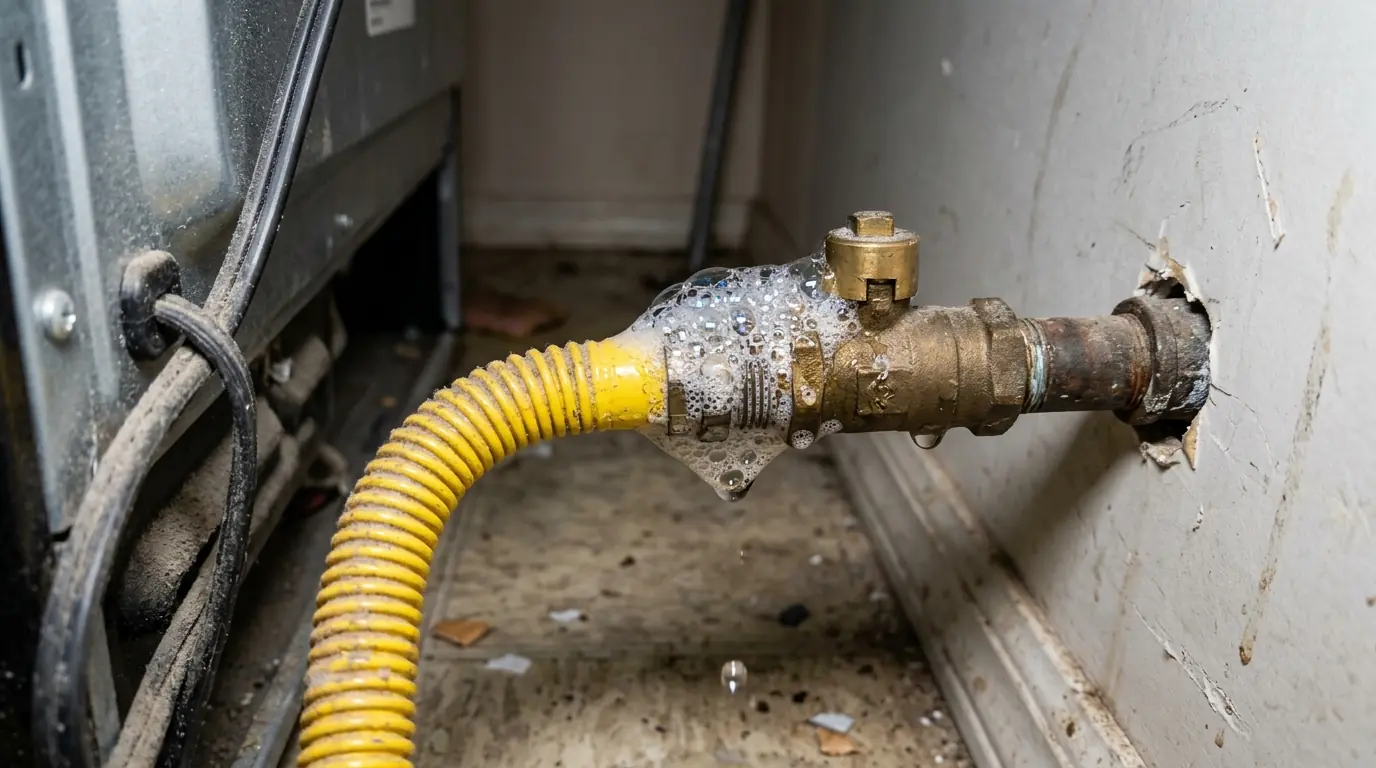
Kitchens in the boom-era houses on Farmington's west and south sides often have aging gas shutoff valves and flexible connectors behind the range. If a valve is stiff or a connector looks corroded, we'll point it out. And if the kitchen ever smells of gas, get everyone outdoors, phone the gas supplier or 911 from a safe distance, and wait until they clear it before calling us about the range.
How a stove repair visit works
- When you call
Fuel type and symptoms
We ask whether your range runs on natural gas, propane or electric, the model number, and which burners are acting up.
- At the range
Check for gas and power
Our tech checks for any gas odor, confirms the supply valve and the outlet, and looks at each burner's flame before pulling anything apart.
- During the visit
Pinpoint the failure
We test switches, electrodes and valves, check the orifices and regulator against the fuel type, and tell you the cost before repairs.
- Before we leave
Light every burner
After the repair, we light each burner on high and low, check the oven, and leak-test any gas fitting we touched.
- The following week
Watch the flame
Pay attention to flame color and pan bottoms over the next few meals. Soot or a yellow tip means something needs another look, so call us.
Repair the range or replace it?
Most range repairs, switches, igniters, valves and conversions, are well worth doing because the cost is small next to a new range. The balance shifts when the cooktop is cracked or badly rusted, the oven cavity is pitted, or several major parts fail on an older unit. We'll tell you what we find and what each path costs, and we can install and set up a new range on propane or natural gas if you choose to replace it.
Keep your stove burning clean
- After a boil-over, let the burner dry fully before lighting it again. Wet spark switches cause most of the nonstop clicking we're called about.
- Clean burner ports with a stiff brush or a straightened paper clip, never a toothpick that can break off inside the port.
- If you're on propane and your range came from a natural gas home, have the conversion checked before regular use.
- Install a carbon monoxide alarm near the kitchen, especially in homes with gas ranges and older ventilation.
- Make sure the anti-tip bracket is in place. It keeps the range from tipping if a child stands on the open oven door.
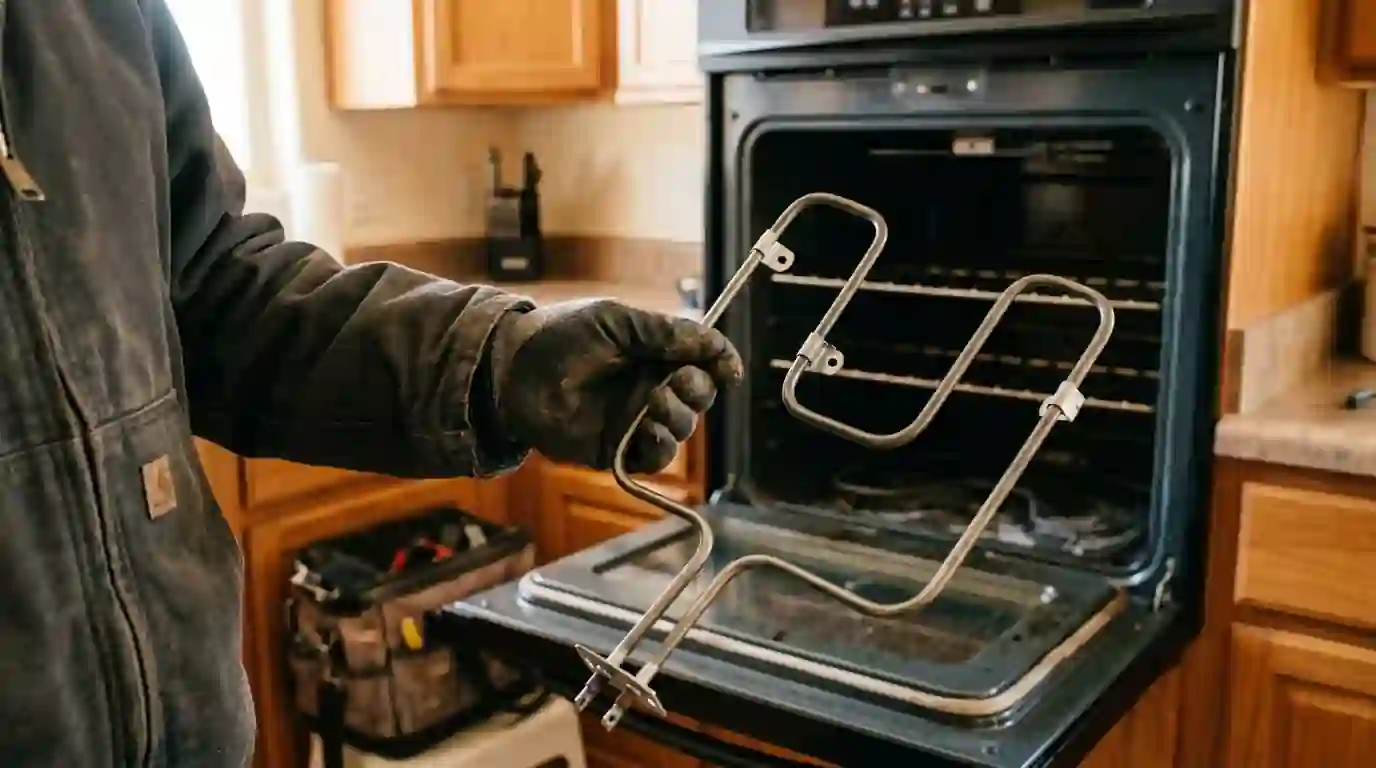
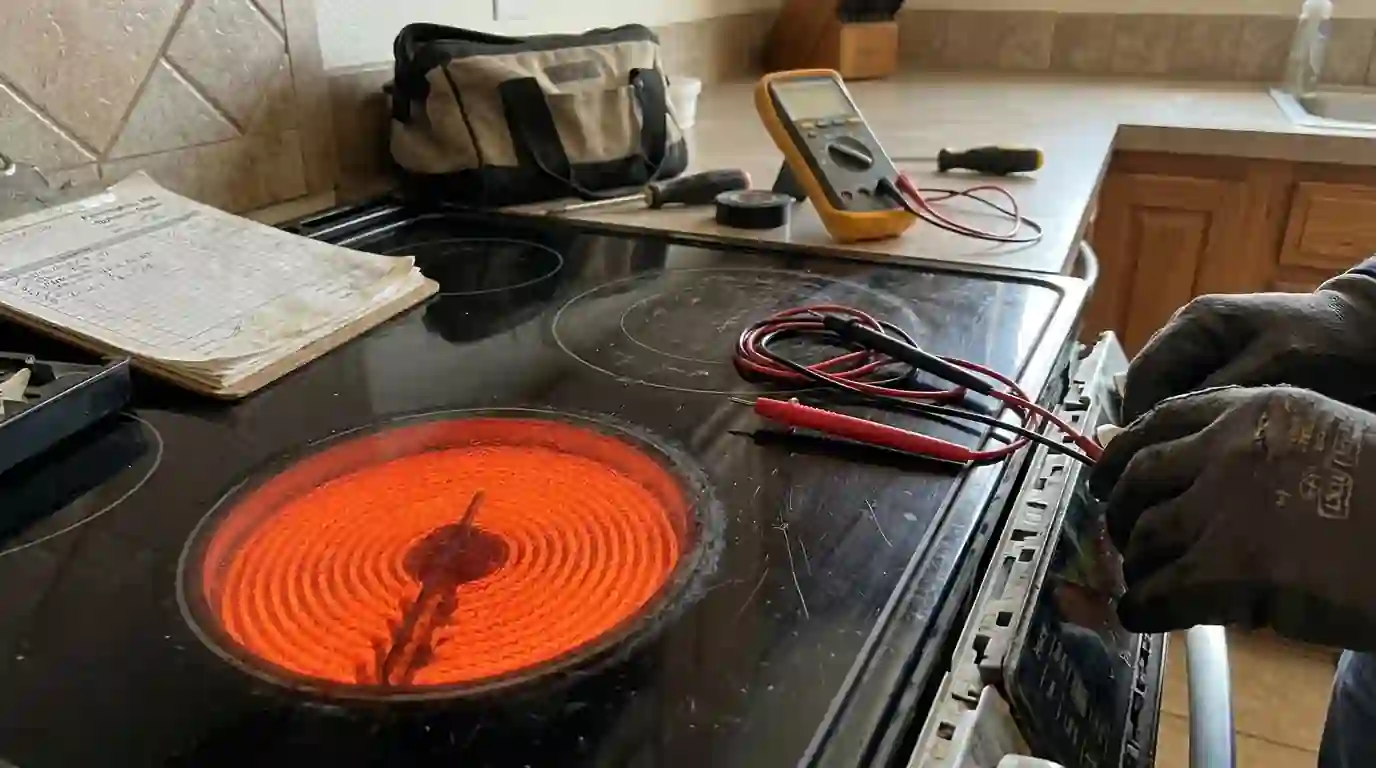
Related repairs people book with range & stove repair
Where we handle range & stove repair
Farmington neighborhoods first, then the rest of San Juan County and southwest Colorado. Pick your area for local notes, or see all 41 locations.
Range & Stove Repair questions from Farmington homeowners
Why does my gas range keep clicking after the burner lights?
Most often, moisture got into a spark switch or under the burner cap after a spill. Let it dry for a day with the burner off. If the clicking continues, the spark switch, electrode or module has probably failed and needs testing.
Can my natural gas range run on propane?
Usually, yes, with the correct conversion kit. It replaces the burner orifices and switches the regulator to propane. Running a range on propane without converting it causes tall, yellow, sooty flames and can raise carbon monoxide. We do the conversion and test every burner.
Why is the flame on my gas stove yellow instead of blue?
A yellow flame usually means the burner isn't getting the right mix of gas and air. A clogged port, wrong orifice, poor air shutter setting or a missed propane conversion are common causes. A small orange flicker from dust is normal; a steady yellow flame isn't.
How do I know if a coil burner or the stove switch is bad?
Swap the cold coil with a working one of the same size. If the problem moves with the coil, replace the coil. If the good coil now fails in that spot, the receptacle or infinite switch for that burner is the issue.
Do you repair slide-in ranges?
Yes. Slide-in ranges have front controls and a cooktop that overlaps the counter, so they need a bit more care to pull out. We release the anti-tip bracket, protect the counter edges, and reset everything when the repair is done.
Is a gas range with a weak flame dangerous?
A weak or lifting flame can blow out and let unburned gas escape. That's a reason to stop using the burner and have it checked. If you ever smell gas, get everyone out first and call the gas supplier or 911 from outside.
Need range & stove repair today?
Call any hour. A real person picks up, takes the model number and sets the visit.