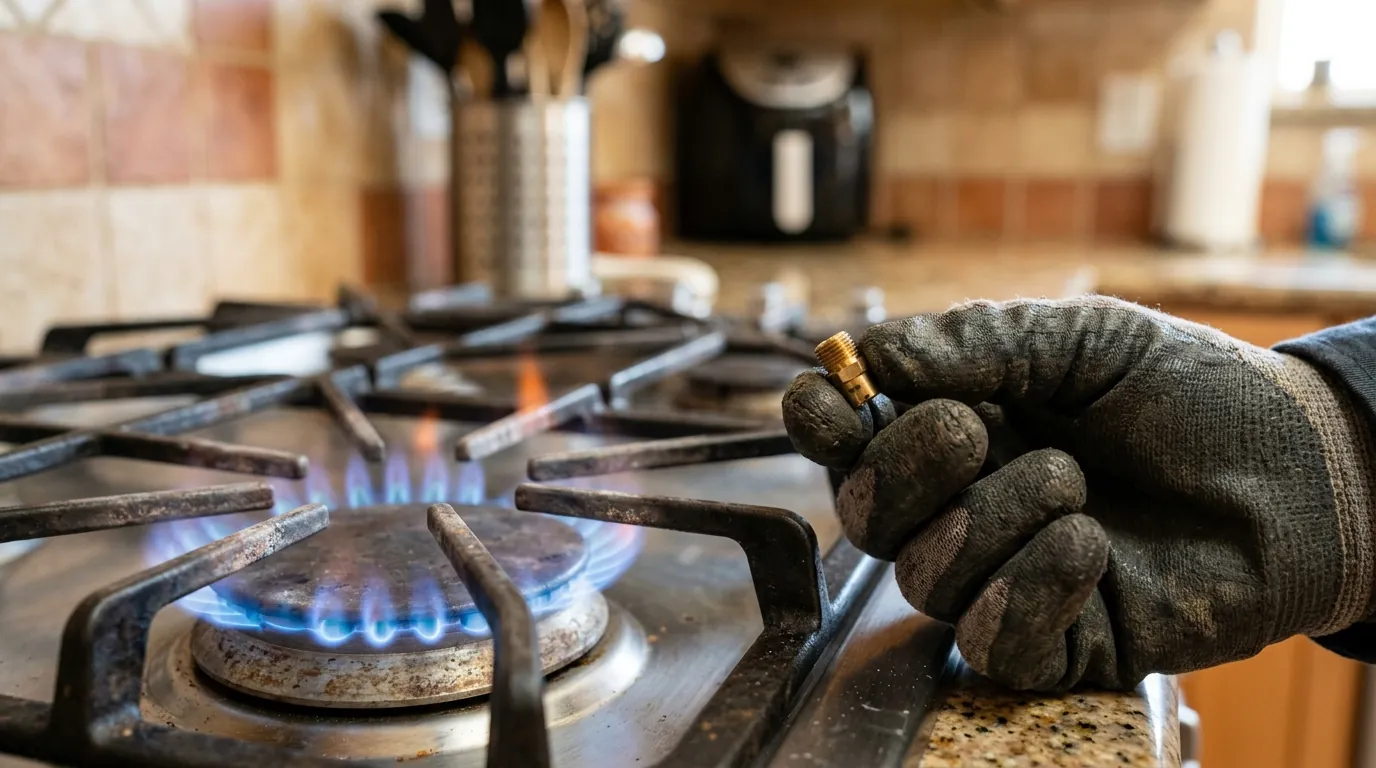
Why does elevation change a gas flame?
A gas burner mixes fuel with air and burns the blend. The orifice meters how much gas flows, and the air shutter or burner design sets how much air joins it. At sea level the factory gets that balance right. Up here the air is thinner, so the same orifice can deliver more gas than the available oxygen can burn cleanly.
Farmington sits at about 5,400 feet. Aztec is a little higher at about 5,640, and Durango, Cortez and Mancos climb higher still. Every manufacturer sets its own elevation threshold for high-altitude setup, and the installation manual spells it out. That page, not a rule of thumb, decides what your appliance needs.
Flame clues that point to an altitude or setup problem
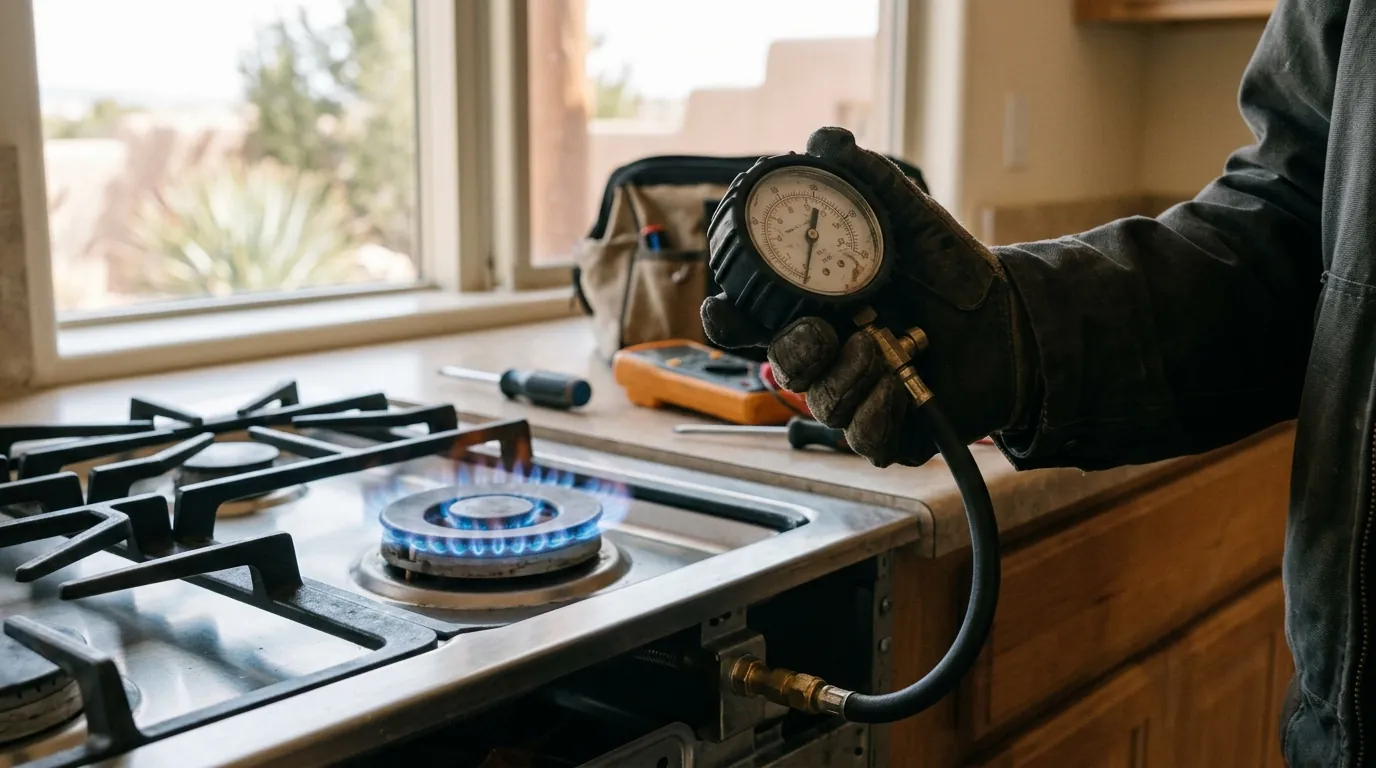
A healthy natural gas or propane burner shows a steady blue flame with a crisp inner cone. Small orange flickers from dust are normal, especially on a windy day. A flame that stays yellow, floats away from the burner, or looks soft and ragged is telling you the mix is off. So is black soot on pans, the oven ceiling or around a water heater's draft hood.
- Yellow or orange flame that stays that way after warm-up
- Flame lifting off the burner ports or blowing out on low
- Soot on cookware, oven walls or the water heater flue
- Slow, delayed or noisy ignition with a small whoomp
- Sharp odor or stinging eyes while the oven is on
Ranges, ovens and cooktops at altitude
On a range, each surface burner and the oven burner has its own orifice. Many models ship with a high-altitude kit or list one as a separate part. Our tech pulls the burner caps or the oven floor, checks which orifices are installed, compares them to the manual and adjusts air shutters where the design has them.
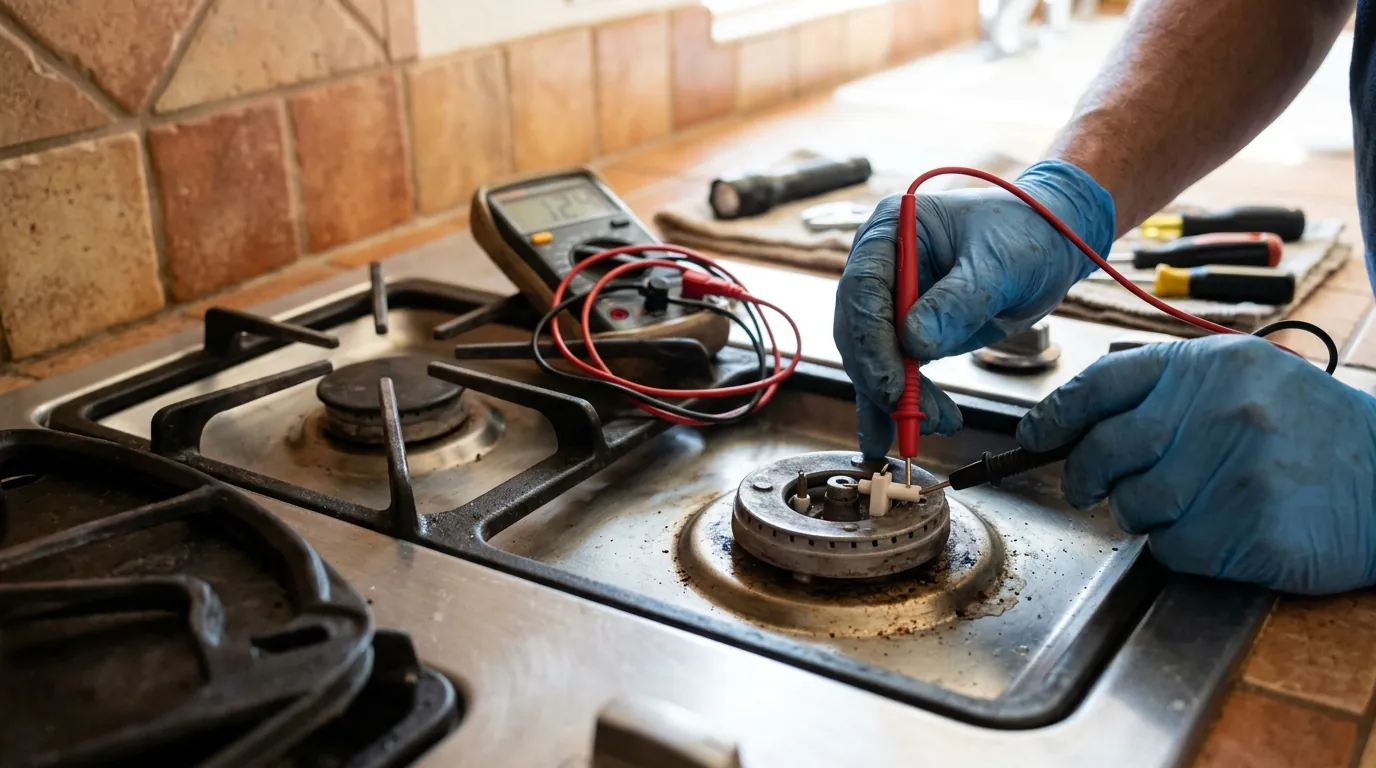
A slow-lighting oven isn't always an altitude problem, though. A weak hot surface igniter that draws too little current won't open the oven gas valve fast enough, and the result looks similar. We test the igniter's draw before changing anything else, so you only pay for the part that's actually at fault.
Gas dryers and water heaters need the same attention
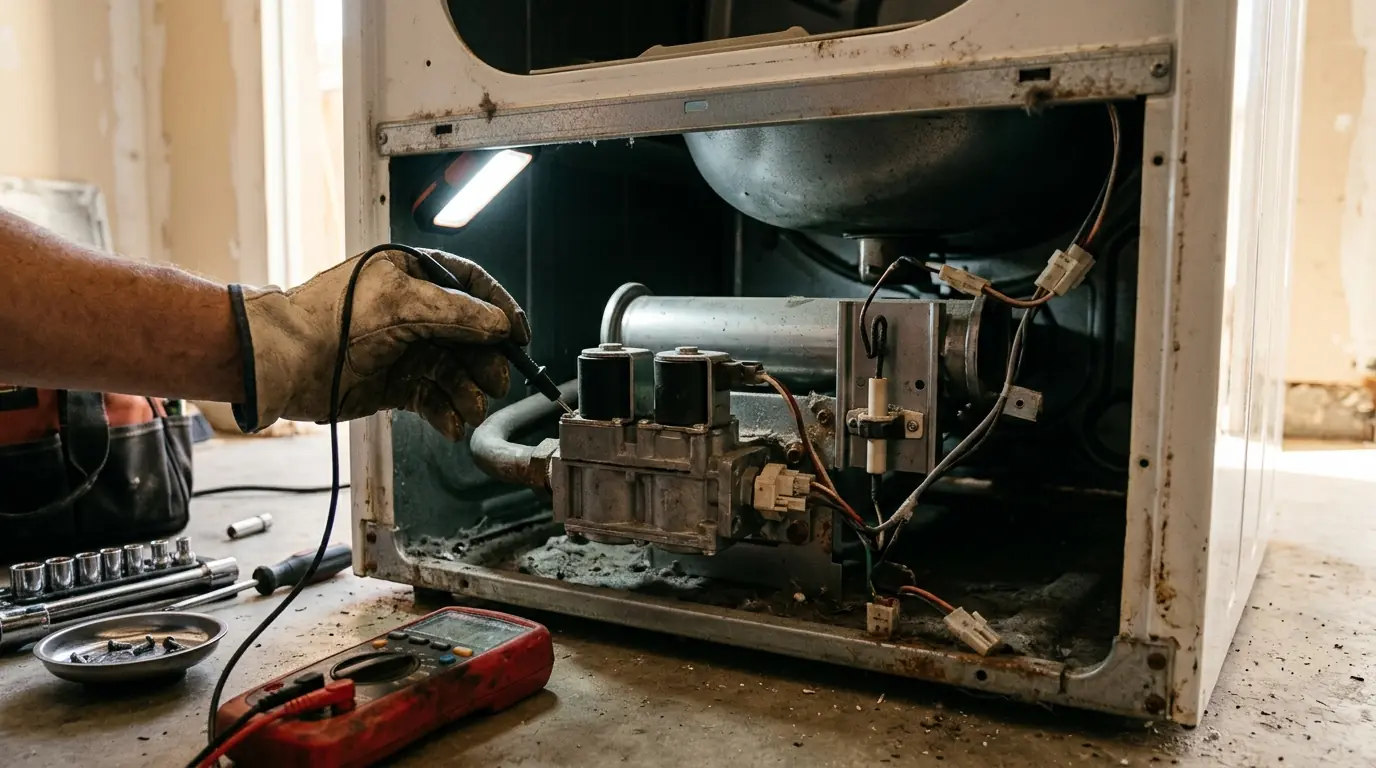
A gas dryer burner that runs rich leaves soot in the burner tube and can make the flame sensor and igniter work harder. Clothes may take longer to dry, and that gets blamed on the vent. We check the burner flame, the gas valve coils and the sensor, then confirm the orifice matches the manufacturer's altitude chart.
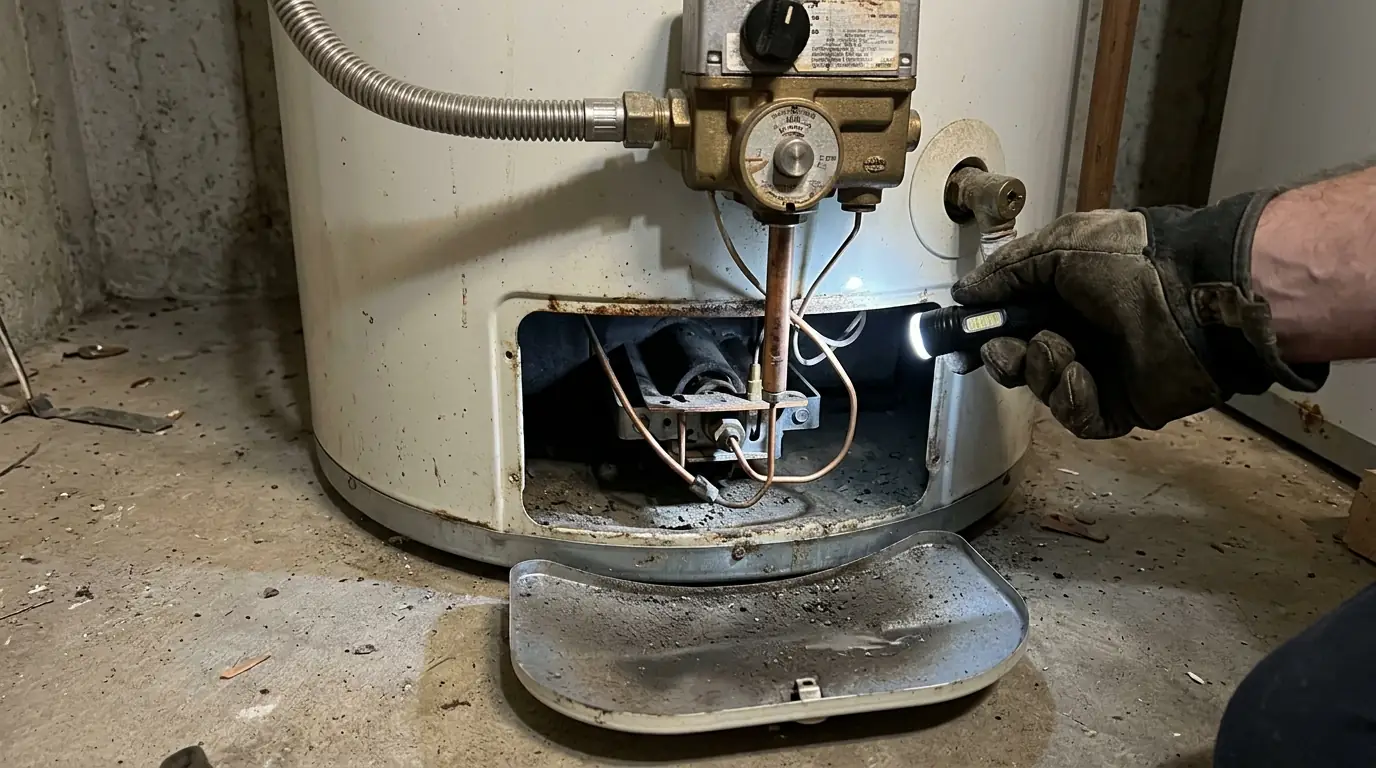
Water heaters are a bigger deal because they burn for long stretches next to a draft hood. A poorly set burner can produce soot that blocks the flue, which can push combustion gases back into the room. Have a working carbon monoxide alarm near any gas appliance. If you see scorching, soot or rust around the burner door, give us a call before running it again.
What to do if you smell gas
Altitude setup is maintenance. A gas smell is an emergency. Don't flip light switches, don't try to find the leak, and don't light anything. Get everyone out of the house, and once you're in the yard, phone the gas utility or 911. If you're on propane, also call your propane supplier.
Once the line is shut off and the gas company has cleared the house, call us for the appliance. Our phones are answered 24/7, and a real emergency gets a tech out the door at any hour. We check the connector, the shutoff valve, the appliance regulator and the fittings, and we don't relight anything until it tests tight.
Getting the setup right on a new or moved appliance
A new range, dryer or water heater is set for sea level and natural gas unless the store or installer changed it. Before it's lit for the first time, check the installation manual for a high-altitude section and a list of parts. Keep that kit if one came in the box. When we install a gas appliance, we read the data plate, match the fuel and elevation, set the regulator, leak-test every joint and watch the flame before we leave. Typical altitude setup or orifice work on a single appliance in this area runs about $127-$248, depending on model and parts. That's a local range, not a quote.